
Aleje Jerozolimskie: Where Warsaw’s History Meets a Palm Tree
2025-10-07
The Świętokrzyski Bridge – A Modern Icon on the Vistula river
2025-11-27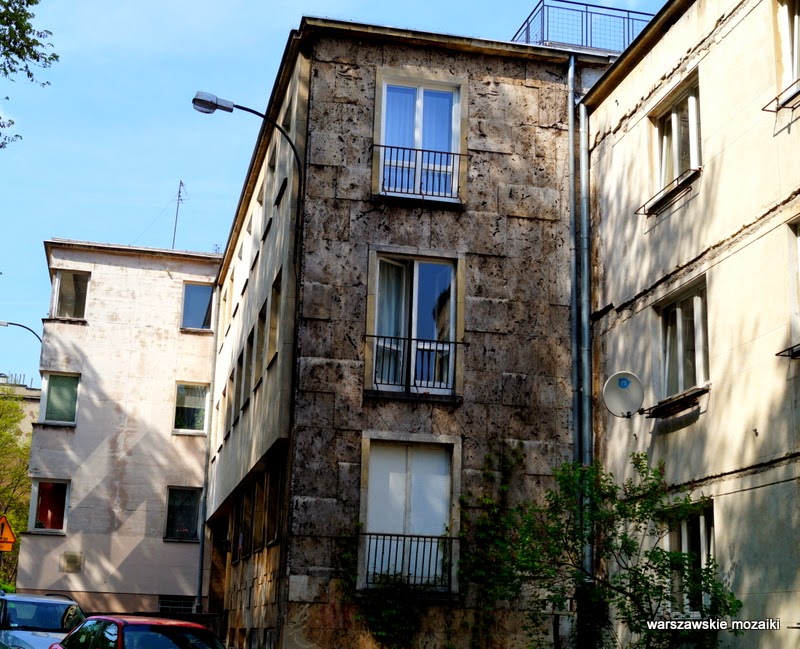
When you join a Warsaw tour, you’ll hear plenty about the Old Town, the Royal Route, or the Palace of Culture. But few visitors ever stumble upon Dynasy Street — a quiet, mysterious corner of the city with a story richer than most museums.
From a Noble Estate to the “Dynasy Hills”
Long before it became a street, Dynasy referred to an entire area once owned by Count Karl Otto de Nassau-Siegen. Locals even called it the “Dynasy Hills,” a nod to its slightly elevated terrain near the Vistula escarpment.
By the late 19th century, this spot became the beating heart of Warsaw’s cycling scene. The Warsaw Cyclists’ Society and the Polish Cycling Association built their headquarters here, complete with a cycling track circling a small pond. In winter, the pond turned into an ice rink; in summer, it hosted open-air concerts, ballets, and theatre performances — a mix of sport and culture that made Dynasy one of the liveliest places in prewar Warsaw.
The Lost “Panorama of the Tatras”
In 1896, architect Karol Kozłowski (co-designer of the Warsaw Philharmonic) built an impressive rotunda on this site. The building was designed to display the largest painting ever created in Poland — The Panorama of the Tatras, a monumental canvas 115 meters long and 16 meters high.
Painted in Munich by a team of artists including Stanisław Janowski, Antoni Piotrowski, and Ludwig Boller, the artwork transported visitors straight to the peaks of the Tatra Mountains. For just a few coins, they could marvel at the view from Mount Miedziane — without ever leaving Warsaw.
Sadly, the project proved unprofitable. By 1899, the panorama was sold off and likely cut into pieces. One fragment was later reused by painter Jan Styka for his work The Martyrdom of Christians in Nero’s Circus, which oddly became far more popular — partly thanks to local priests encouraging parishioners to see it after Sunday Mass!
From Theatre to Car Workshop
The rotunda changed hands several times. In 1911, it was converted into a Jewish Theatre, and in 1937, the American company Chevrolet transformed it into a modern car workshop — a symbol of Warsaw’s leap into the age of industry and motorization.
World War II, however, left the building in ruins. Only the lower part survived, later used as storage for the Polish Theatre. The fragments of the ground floor walls that survived, were standing in quiet decay until 2020s. Today, a private developer has incorporated the remaining ruins into a new apartment building, designed in the shape of the original rotunda — though rebuilt with modern materials and style.
Today’s Dynasy: A Hidden Gem in Warsaw
Today, Dynasy Street Warsaw is one of those hidden gems in Warsaw that reward curious visitors. Quiet, green, and full of secrets, it’s a place where layers of history overlap: noble estates, cycling tracks, forgotten art, and the resilience of everyday people rebuilding their lives after war.
If you’re exploring the city with our Warsaw guide, ask to include Dynasy on your Warsaw walking tour.