
Blog

Take a glimpse into our guided tours and the city we love – Warsaw.

2026-10-07

Lalka by Maciej Kawalski: A Journey into 19th Century Warsaw

If you have ever spent time in Poland, chances are you have heard of Lalka (The Doll). Bolesław Prus's novel has been part of Polish school education for generations and remains one of the best-known works of Polish literature. First published in 1890, it is much more than a love story about Stanisław Wokulski and Izabela Łęcka. It is a remarkably detailed portrait of Warsaw in the second half of the 19th century. And now Lalka is back in the spotlight.
2026-09-29

New Town Market Square Warsaw – Discover the Historic New Town

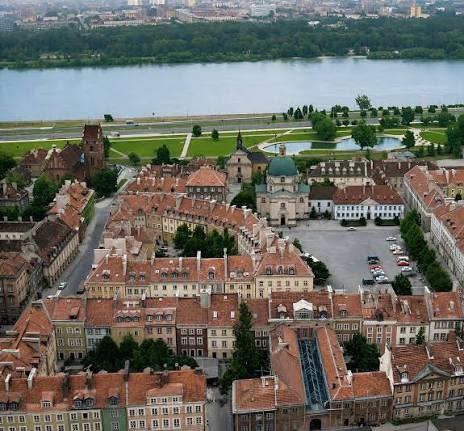
If you are exploring Warsaw Old Town, don't stop at the famous Market Square. Walk a little farther north along Freta Street, and you will soon arrive at New Town Market Square (Rynek Nowego Miasta). At first glance, it may look like a quieter extension of Warsaw's Old Town. But there is an important difference: New Town was once a separate town. It had its own authorities, town hall, market square and church. For several centuries, people living here were not technically residents of Warsaw. Today, New Town is one of the most interesting places to visit in Warsaw if you want to go beyond the city's best-known attractions.
2026-09-19

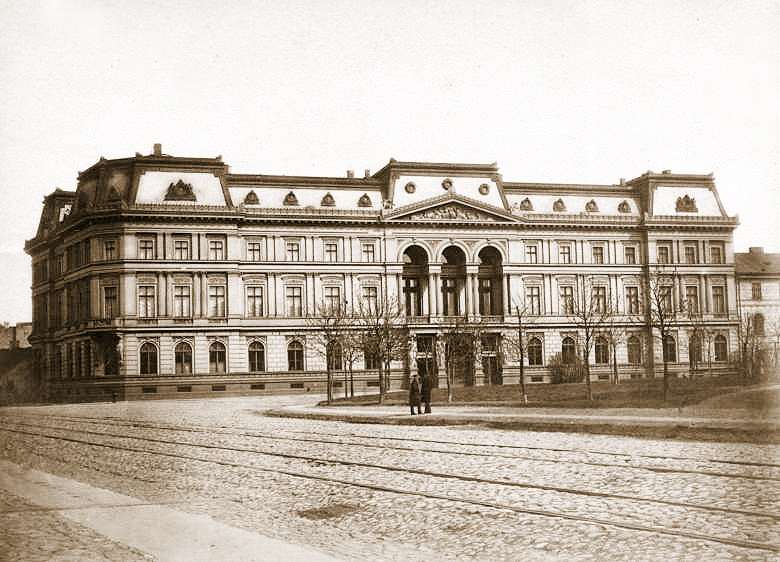
Kronenberg Palace: The Warsaw Palace That Disappeared

Today, the Sofitel Warsaw Victoria stands in the heart of Warsaw. But until the early 1960s, the site was occupied by the ruins of one of the city’s grandest 19th-century residences: Kronenberg Palace. Built for the prominent Warsaw banker and entrepreneur Leopold Kronenberg, the palace was considered one of the most impressive private residences of its time. Today, however, it has completely disappeared from the Warsaw cityscape.
2026-09-15

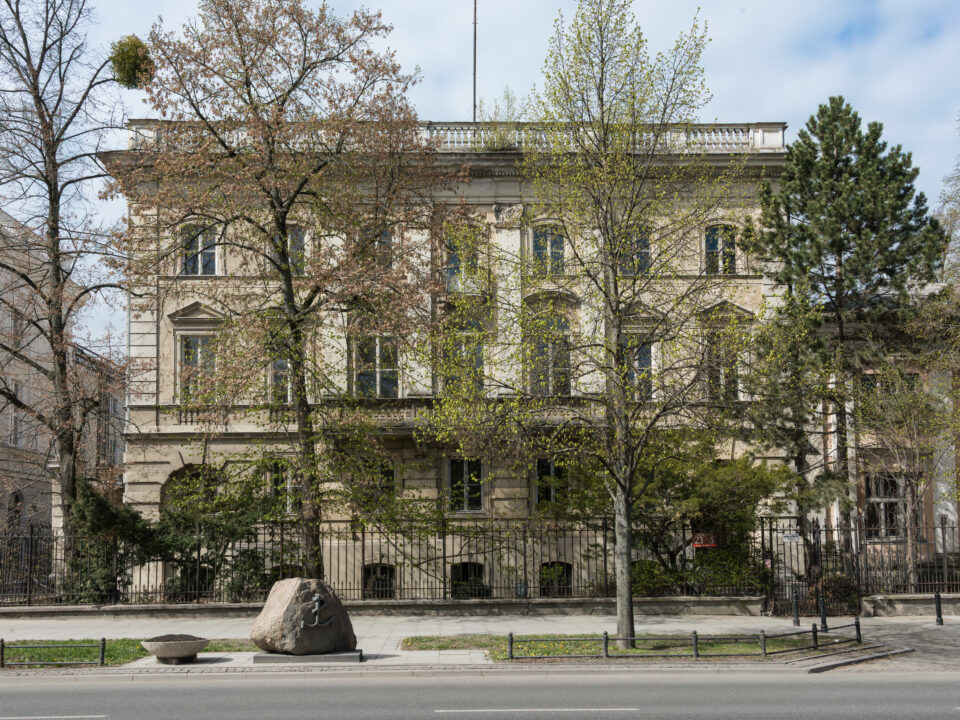
Gawroński Villa in Warsaw – A Historic Residence and a Window into Polish Modernism

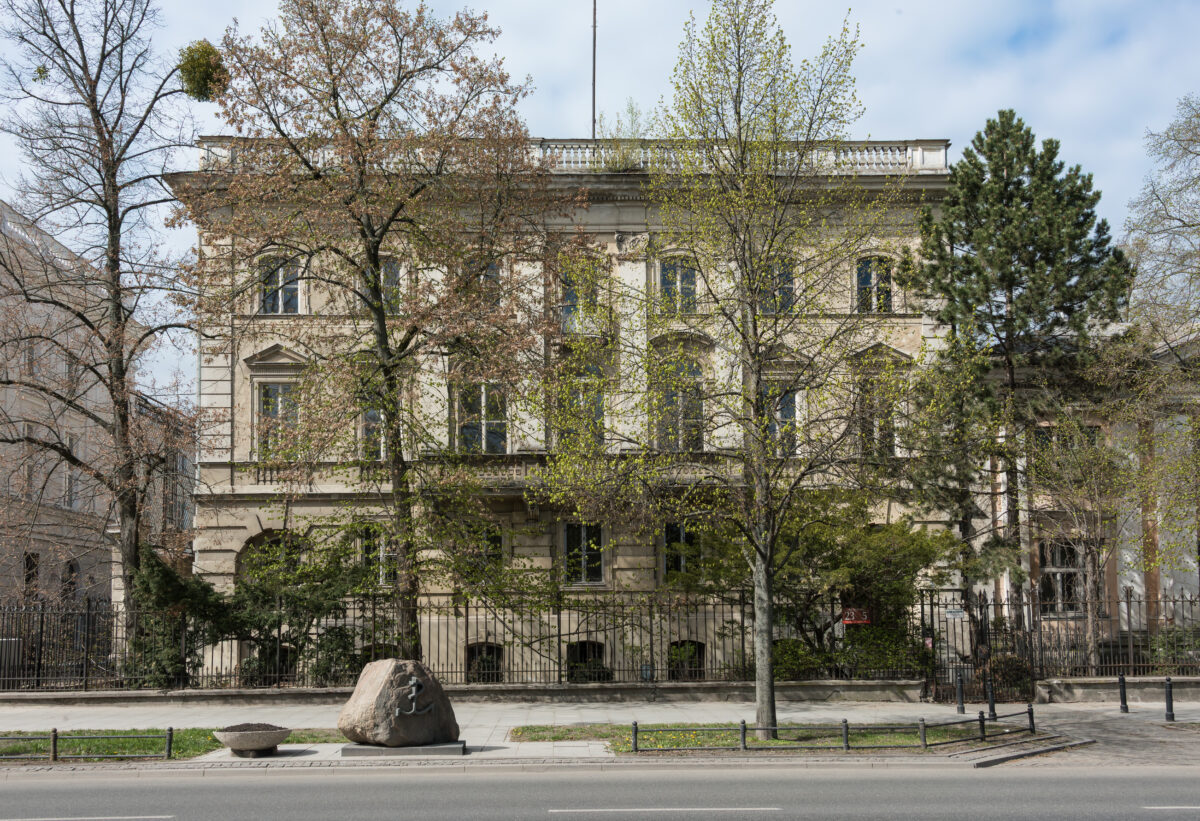
At 23 Ujazdowskie Avenue in Warsaw, on one of the city's most prestigious streets, stands the elegant Gawroński Villa, also known as the Leszczyński Palace. Built in the 1920s, the villa has witnessed some of the most dramatic chapters in Warsaw's modern history – from the diplomatic life of the interwar period and the destruction of the Second World War to the city's post-war reconstruction. Today, the historic building hosts exhibitions and cultural events. In autumn 2026, it provides a particularly interesting setting for Polish Modernism: The Struggle for Beauty, an exhibition exploring 20th-century Polish design, architecture and art. For anyone interested in Warsaw architecture, design and the lesser-known stories of the Polish capital, the Gawroński Villa is well worth a closer look.
2026-09-03

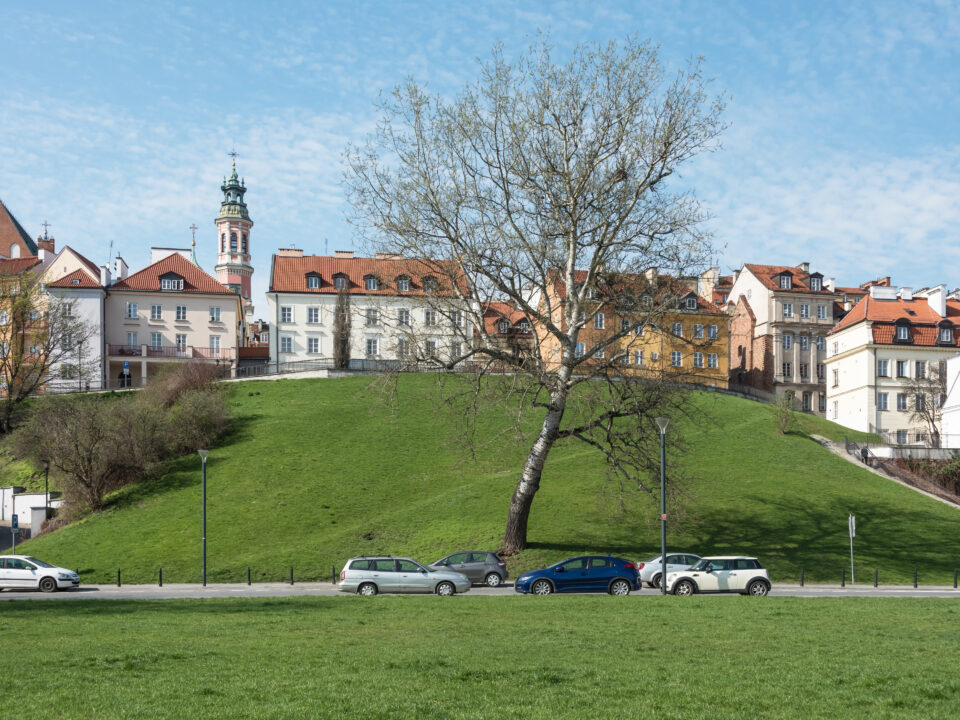
Gnojna Góra – One of Warsaw’s Most Unusual Viewpoints

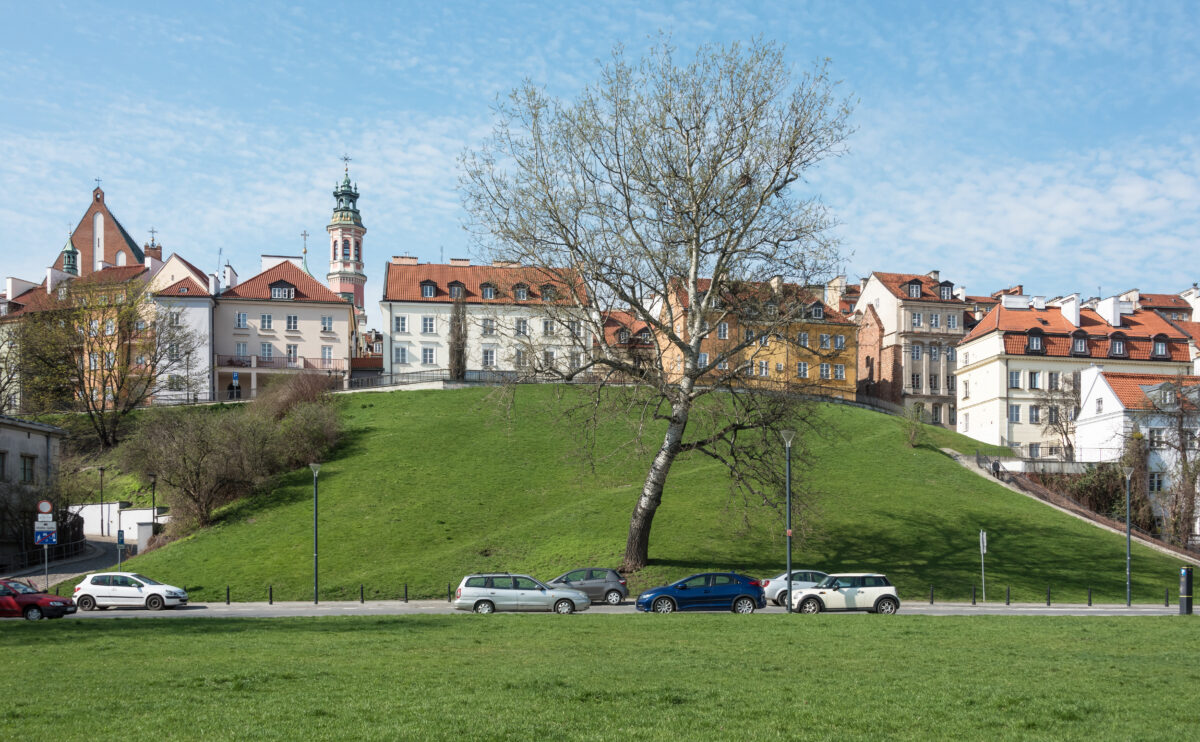
There are plenty of beautiful viewpoints in Warsaw, but few have a history quite as unusual as Gnojna Góra. Today, the terrace at the end of Celna Street is one of the most popular viewpoints in Warsaw Old Town. From here, you can admire the Vistula River, the Praga district on the opposite bank. It is a lovely place to stop during a walk through the Old Town. There is just one detail most visitors don't know.
2026-08-24

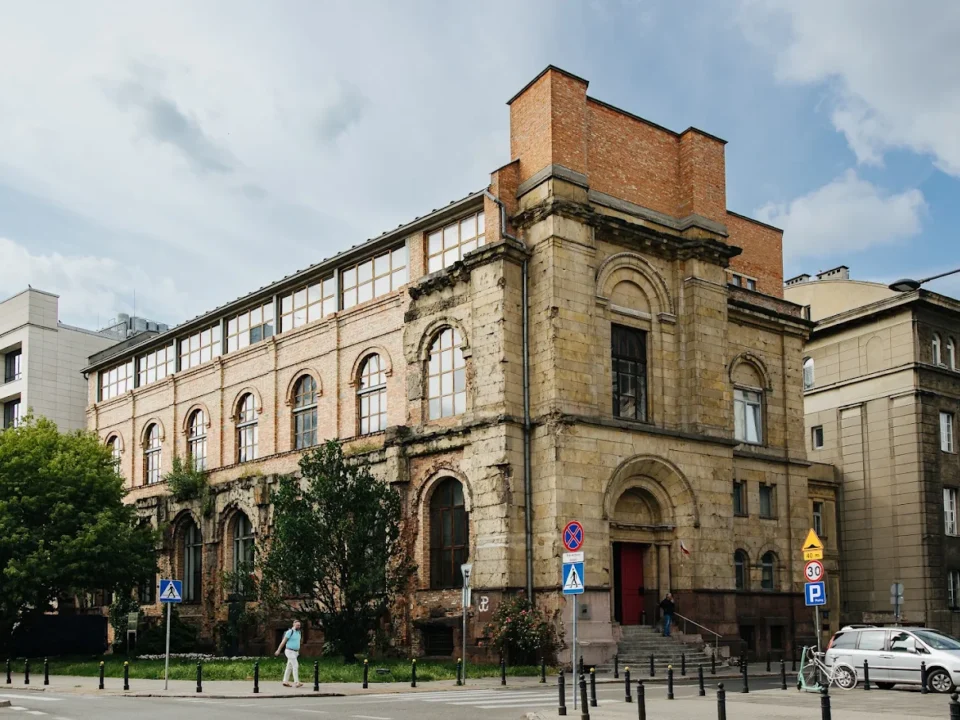
Reduta Banku Polskiego – A Symbol of Heroism During the Warsaw Uprising

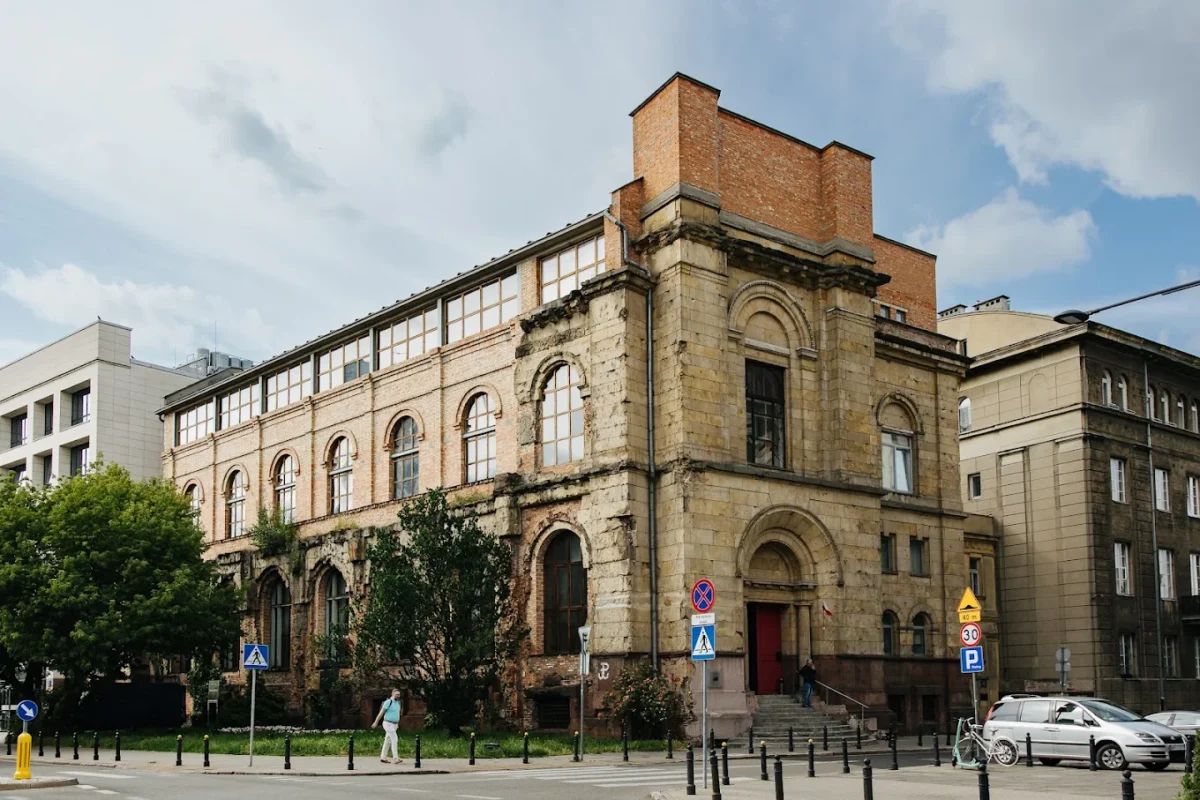
Warsaw is a city where history can often be found in unexpected places. Bullet holes, damaged walls, fragments of buildings and traces of wartime destruction can still be seen throughout the capital. Some have deliberately been preserved as reminders of the city's past. One of the most striking examples is Reduta Banku Polskiego, the surviving part of the former Polish Bank building on Bielańska Street. During the Warsaw Uprising of 1944, Polish resistance fighters defended this strategically important building for almost a month, turning it into one of the most important insurgent strongholds near Warsaw's Old Town. Today, the preserved walls still bear hundreds of scars from the fighting. For visitors exploring Warsaw with Warsaw guide, it offers a powerful opportunity to see the history of the Warsaw Uprising not only in a museum, but in the very fabric of the city.
2026-07-23

The Warsaw Linden – A Living Symbol of Warsaw’s Rebirth

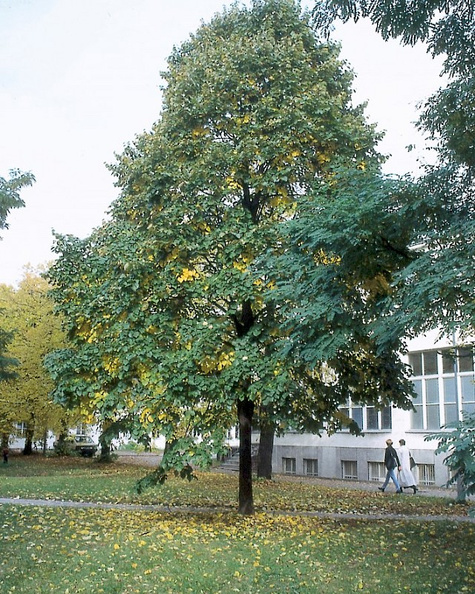
Warsaw is famous for its Royal Castle, colourful Old Town, and resilient history. Yet one of the city's most under appreciated and forgotten symbols is not a monument or a palace - it's a tree. The Warsaw Linden (Tilia 'Varsaviensis') is a unique variety closely associated with the Polish capital. Although it isn't a native species, its extraordinary story has made it one of Warsaw's most meaningful living landmarks. For visitors exploring the city with a Warsaw tour guide, the Warsaw Linden offers a different perspective on the capital—one that tells the story of resilience, renewal, and the people who rebuilt Warsaw after World War II.
2026-07-18

Fat Kate (Gruba Kaśka) – The Hidden Engineering Wonder of Warsaw

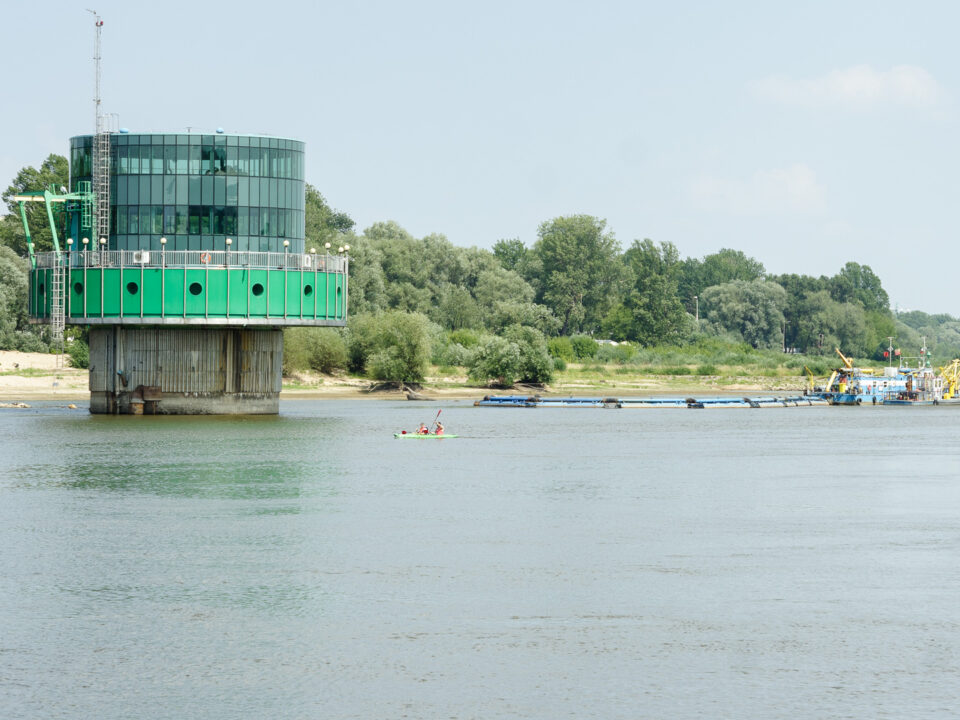
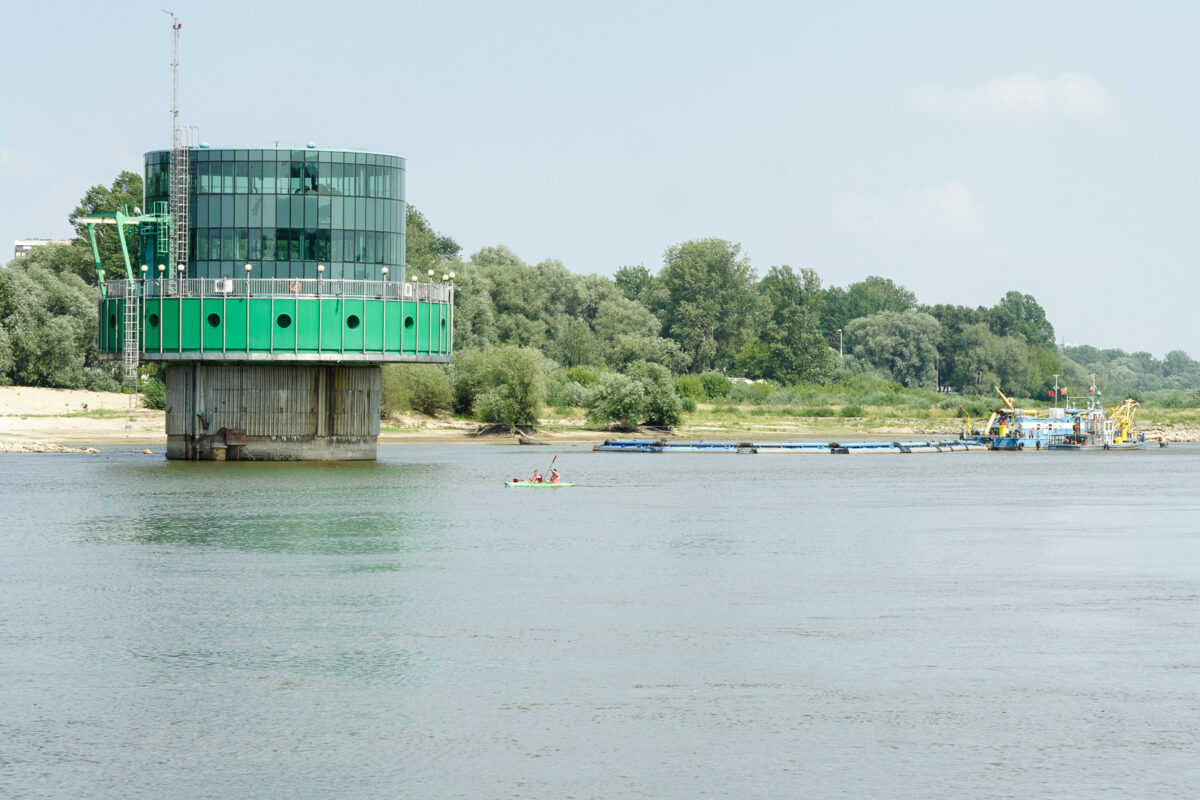
Standing in the middle of the Vistula River, Gruba Kaśka, or Fat Kate, is one of Warsaw's most unusual landmarks. At first glance, it looks like a lonely cylindrical tower rising from the water. In reality, it is one of the city's most important pieces of infrastructure and one of the greatest achievements of Polish engineering. Few realise that it helps provide clean drinking water to nearly one-third of the city's population. For anyone interested in discovering the lesser-known side of the Polish capital, Gruba Kaśka is one of the most fascinating hidden gems in Warsaw.
2026-07-11

Magdalena Abakanowicz Footbridge – A New Way to Explore Warsaw

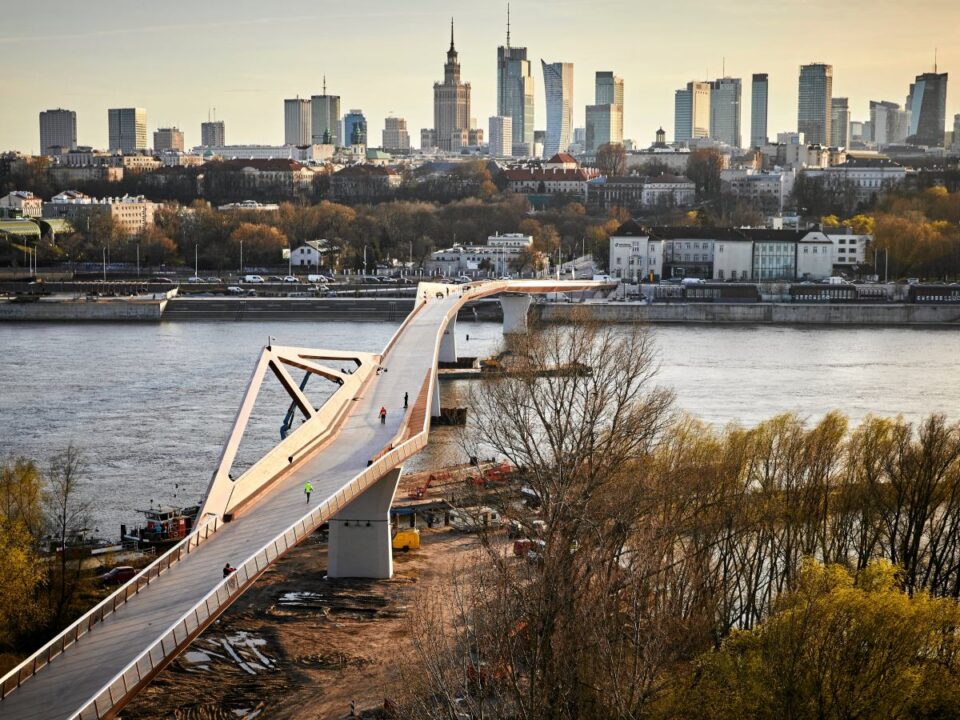
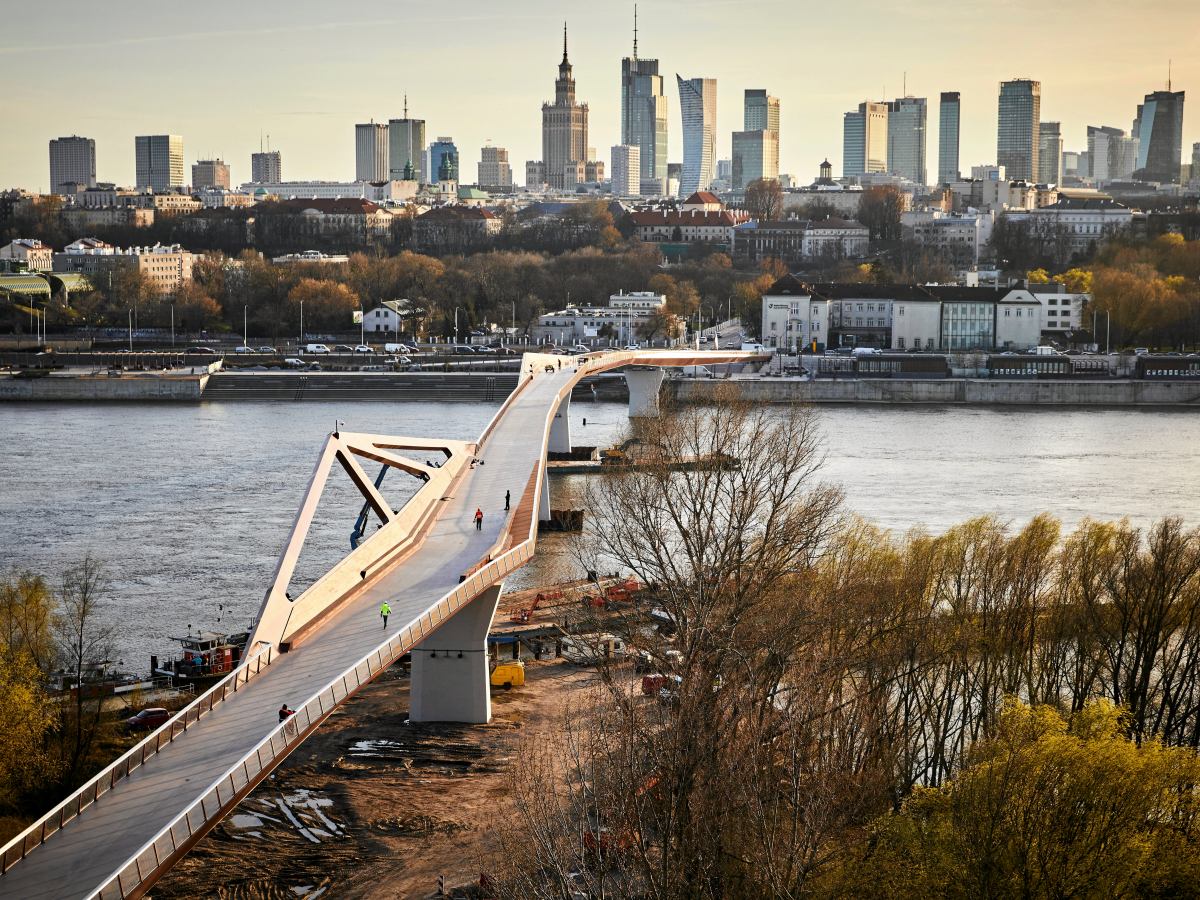
Since opening in March 2024, the Magdalena Abakanowicz Footbridge has quickly become one of the most popular new attractions in Warsaw. Designed exclusively for pedestrians and cyclists, it offers visitors a beautiful and convenient route across the Vistula River while connecting two very different sides of the Polish capital. Whether you're exploring the city on your own or with an experienced Warsaw tour guide, the footbridge is one of the best places to enjoy spectacular views of the skyline and experience modern Warsaw.