

Ujazdowskie Avenue – A Royal Boulevard in the Heart of Warsaw
2026-06-28
Magdalena Abakanowicz Footbridge – A New Way to Explore Warsaw
2026-07-11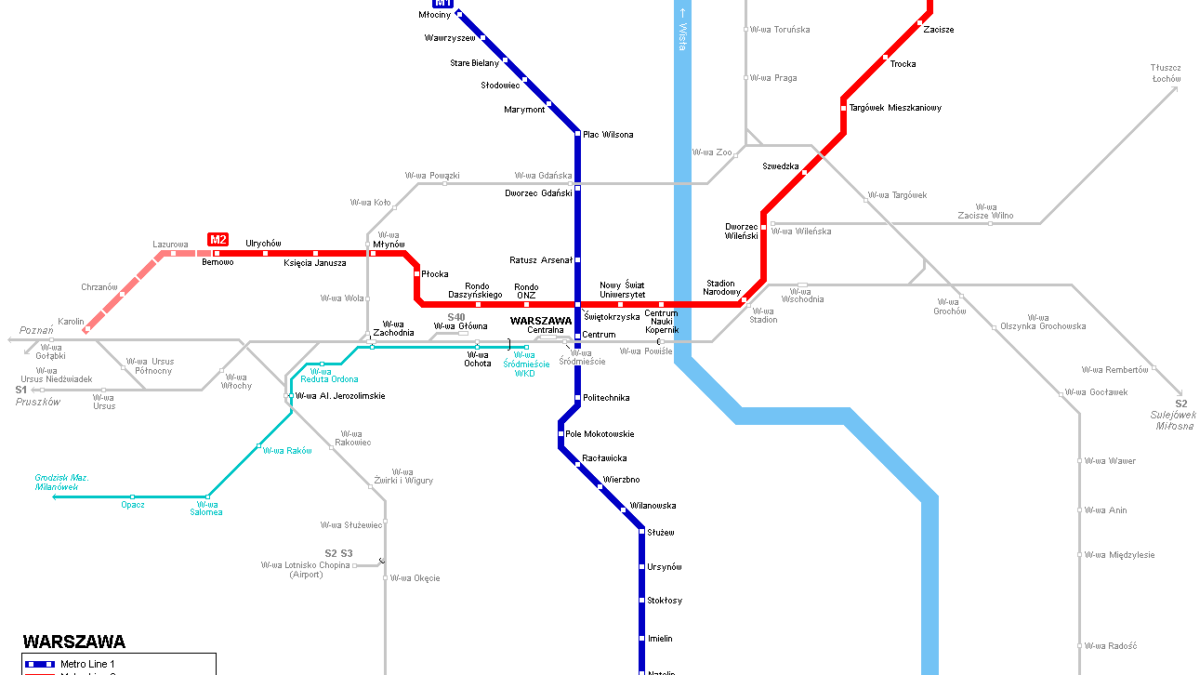
A Modern Metro in a Historic City
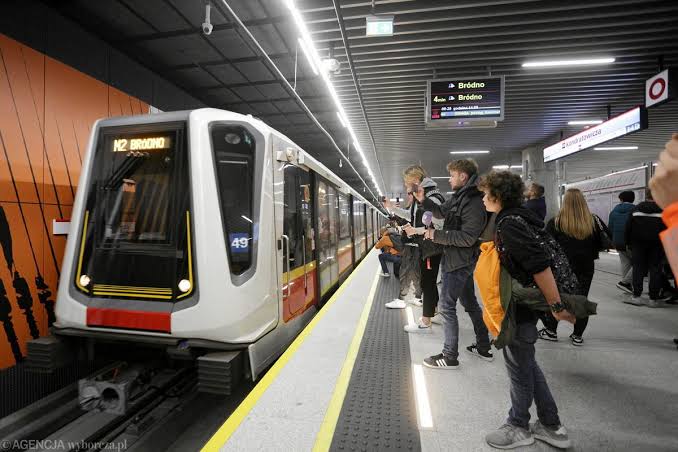
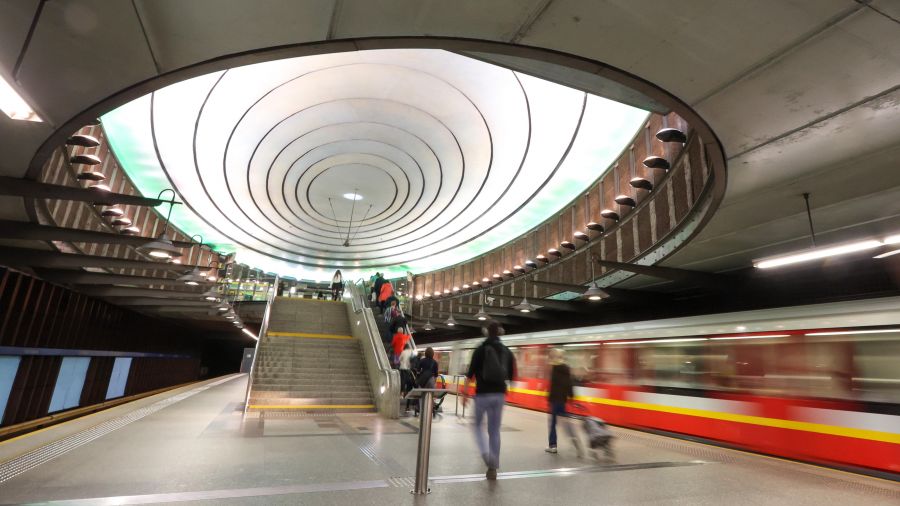
Warsaw is home to Poland’s only underground railway system. Although much younger than the metro networks in cities like London or Paris, it has become an essential part of everyday life and one of the best ways to experience the city.
The system currently consists of two lines:
- M1, running from the southern district of Kabaty to Młociny in the north.
- M2, connecting western Warsaw with the eastern side of the Vistula River, including the fascinating Warsaw Praga district.
Together, these two lines provide quick access to many of Warsaw’s museums, monuments, parks, restaurants, and cultural attractions.
Why Tourists Love the Warsaw Metro
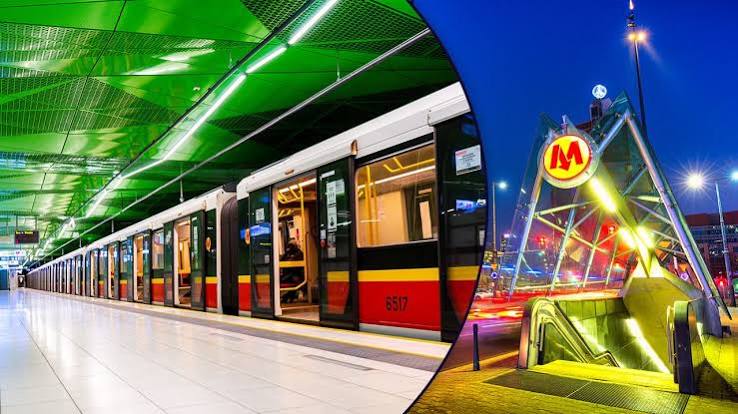
For visitors, the Warsaw Metro is simple to use. Trains arrive every few minutes throughout the day, stations are clearly signposted, and ticketing is integrated with buses and trams, allowing easy transfers across the city’s public transport network.
The metro is also fully accessible, with lifts or ramps available at every station, making travel comfortable for wheelchair users, families with pushchairs, and passengers with luggage.
If you’re wondering how to get around Warsaw, the metro is often the fastest and most convenient answer.
Discover Warsaw by Metro
Many of the city’s highlights are located close to metro stations, making sightseeing remarkably easy.
The M1 line serves several key areas, including:
- Warsaw’s vibrant city centre,
- elegant boulevards such as Krakowskie Przedmiescie,
- the area surrounding the Old Town,
- green spaces near,
- shopping centres, restaurants, and business districts.
Meanwhile, the M2 line has transformed access to the eastern bank of the Vistula. It provides an easy connection to the Warsaw Praga district, one of the city’s most authentic neighbourhoods, known for its pre-war architecture, artistic atmosphere, independent cafés, and colourful street art.
For many visitors, exploring Praga becomes one of the highlights of their trip to Warsaw.
A Dream That Took Decades
The idea of building a metro in Warsaw dates back to the 1920s, when city planners first proposed an underground railway to support the rapidly growing capital.
Those ambitious plans were interrupted by World War II and the immense destruction that followed. Throughout the following decades, several attempts were made to revive the project, but political changes and financial difficulties delayed construction.
Only in the 1980s did work finally begin, and after years of engineering challenges, the first section of the metro opened in 1995.
The second line, linking both sides of the city beneath the Vistula River, opened in 2015 and continues to expand as Warsaw grows.
More Than Public Transport
Today’s Warsaw Metro is more than simply a way of getting from A to B. It reflects the city’s remarkable transformation from a war-torn capital into one of Central Europe’s fastest-growing metropolitan areas.
For visitors, the metro offers the freedom to discover neighbourhoods beyond the traditional tourist route. From modern business districts to historic streets, museums, local markets, and riverside boulevards, every journey reveals another side of Warsaw.
It also makes combining several attractions in a single day both easy and affordable.
Explore Warsaw Like a Local
While the metro helps you travel efficiently, it cannot explain the stories behind the places you visit.
That’s where an experienced Warsaw guide makes all the difference. Walking through the city with a knowledgeable local transforms stations, streets, and neighbourhoods into chapters of Warsaw’s remarkable history.
Whether you’re interested in royal residences, World War II history, communist-era architecture, or hidden gems in the Warsaw Praga district, a knowledgeable Warsaw tour guide can help you discover the city from a completely different perspective.
Combining the convenience of the Warsaw Metro with a professionally guided tour Warsaw visitors trust is one of the best ways to experience everything Poland’s fascinating capital has to offer.