

Vistula Boulevards in Warsaw – The City’s Most Popular Riverside Walk
2026-06-06
Warsaw Central Railway Station (Warszawa Centralna) – A Modernist Icon in the Heart of Warsaw
2026-06-24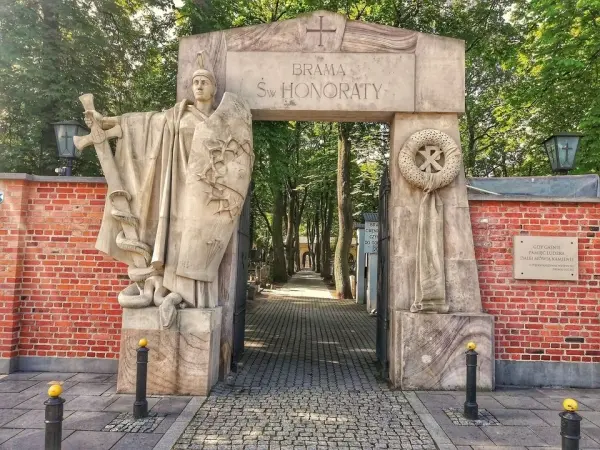
A Brief History of Powązki Cemetery
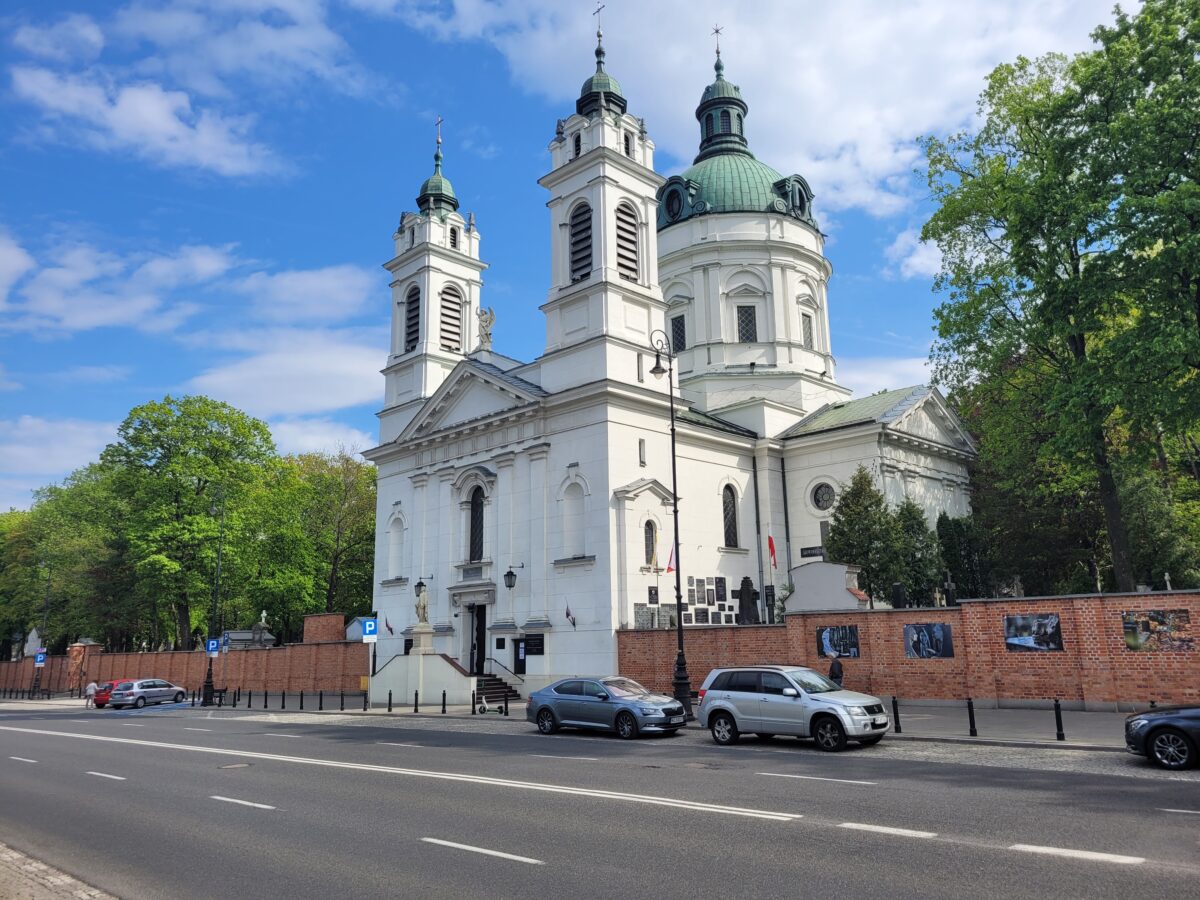
Powązki Cemetery was established in 1790, at a time when European cities were moving burial grounds outside crowded urban centres. The cemetery church is dedicated to St. Charles Borromeo.
Throughout the 19th century, Powązki expanded several times as Warsaw grew. It quickly became the city’s most prestigious Catholic cemetery and an important symbol of Polish national identity during the years of foreign occupation. Funeral ceremonies of prominent Poles often turned into patriotic demonstrations, making the cemetery a powerful place of remembrance.
During World War II, Powązki suffered significant damage. The cemetery witnessed military operations, underground resistance activities and fierce fighting during the Warsaw Uprising of 1944. After the war, extensive restoration work helped preserve its historic character and artistic treasures.
Today, Powązki Cemetery is recognized as one of Poland’s most important heritage sites and attracts visitors from around the world interested in Warsaw’s history and culture.
Architecture and Atmosphere
One of the reasons Powązki is considered one of the best historical attractions in Warsaw is its remarkable architecture. The cemetery showcases over 200 years of funerary art, featuring monuments in styles ranging from Classicism and Neo-Gothic to Art Nouveau and Modernism.
Highlights include:
- The historic Catacombs, among the cemetery’s oldest structures.
- The elegant Church of St. Charles Borromeo.
- Monumental family chapels and mausoleums.
- Sculptures created by some of Poland’s most celebrated artists.
- Beautiful tree-lined avenues that create a peaceful, almost park-like atmosphere.
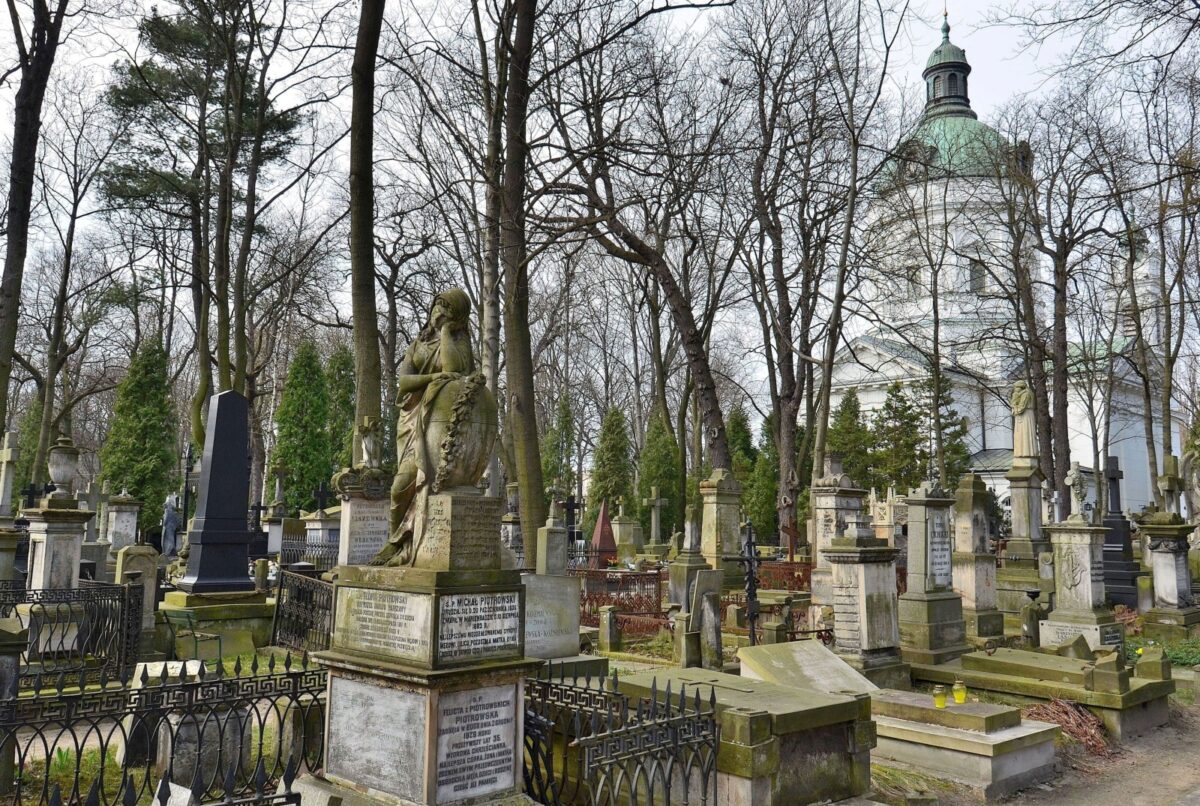
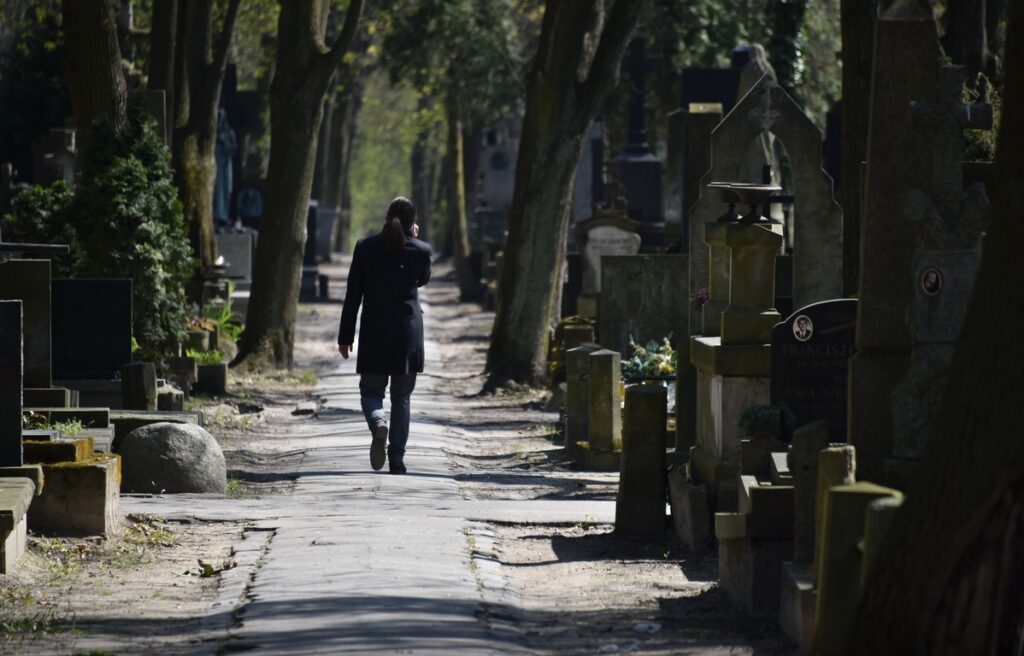
Many visitors describe Powązki as one of the most atmospheric places in Warsaw. Ancient trees, ivy-covered tombs and artistic monuments create a setting that feels both solemn and beautiful.
The Avenue of the Distinguished
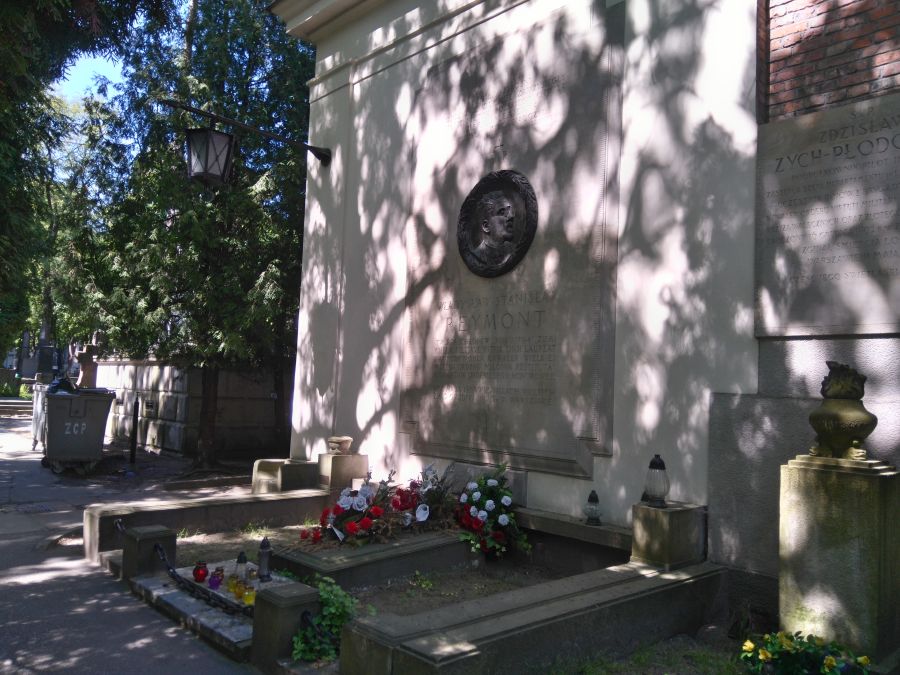
One of the cemetery’s most important sections is the Avenue of the Distinguished (Aleja Zasłużonych), established in 1925. It serves as a national pantheon where some of Poland’s most celebrated figures are buried.
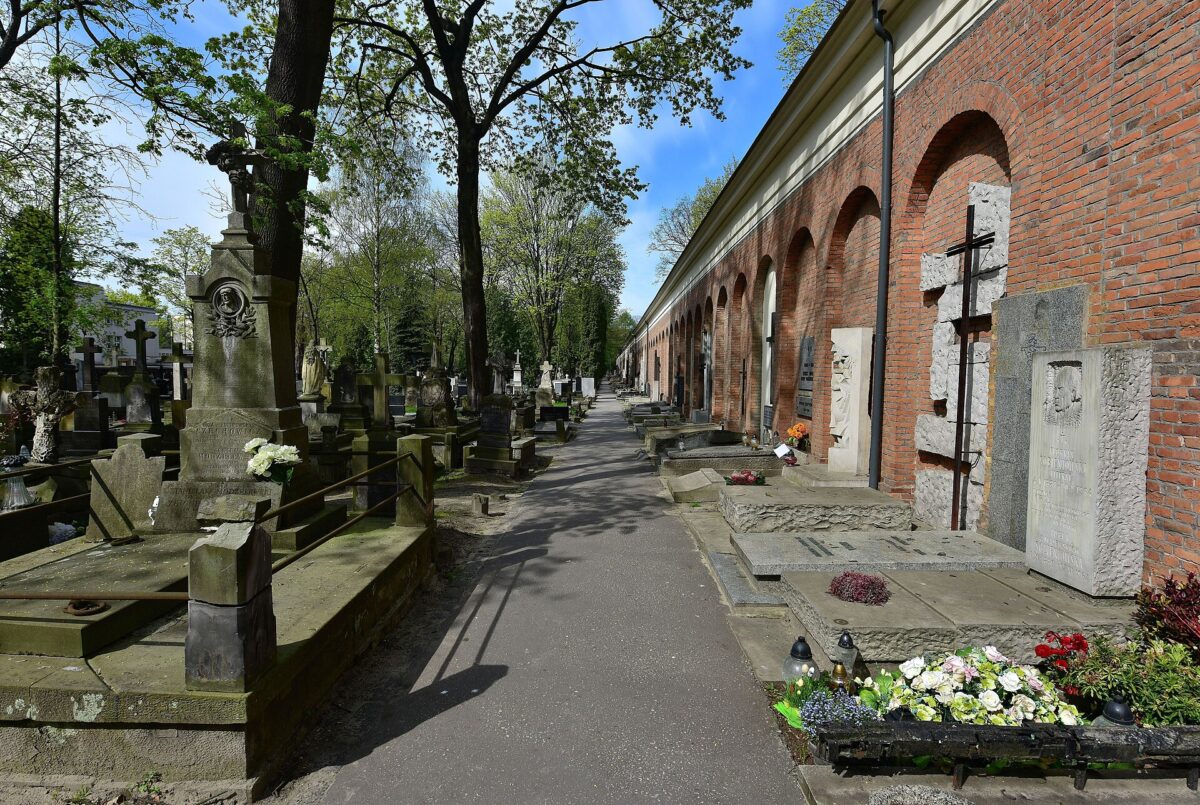
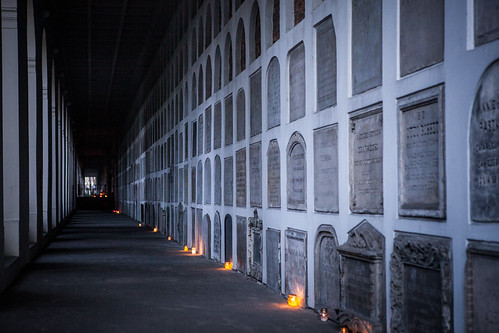
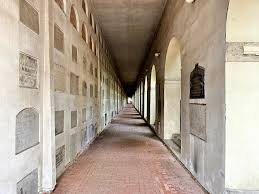
The first person laid to rest here was Nobel Prize-winning novelist Władysław Reymont, author of The Peasants.
Today, the avenue remains one of the most visited areas of the cemetery and an essential stop on guided heritage tours of Warsaw.
Famous People Buried at Powązki Cemetery
Powązki is the final resting place of many of Poland’s most influential cultural and historical figures. Among them are:
- Władysław Reymont – Nobel Prize winner in Literature
- Stanisław Moniuszko – father of Polish national opera
- Krzysztof Kieślowski – creator of The Decalogue and Three Colours
- Irena Sendler – rescuer of Jewish children during World War II
- Witold Lutosławski – one of Poland’s greatest modern composers
- Władysław Szpilman – inspiration behind The Pianist
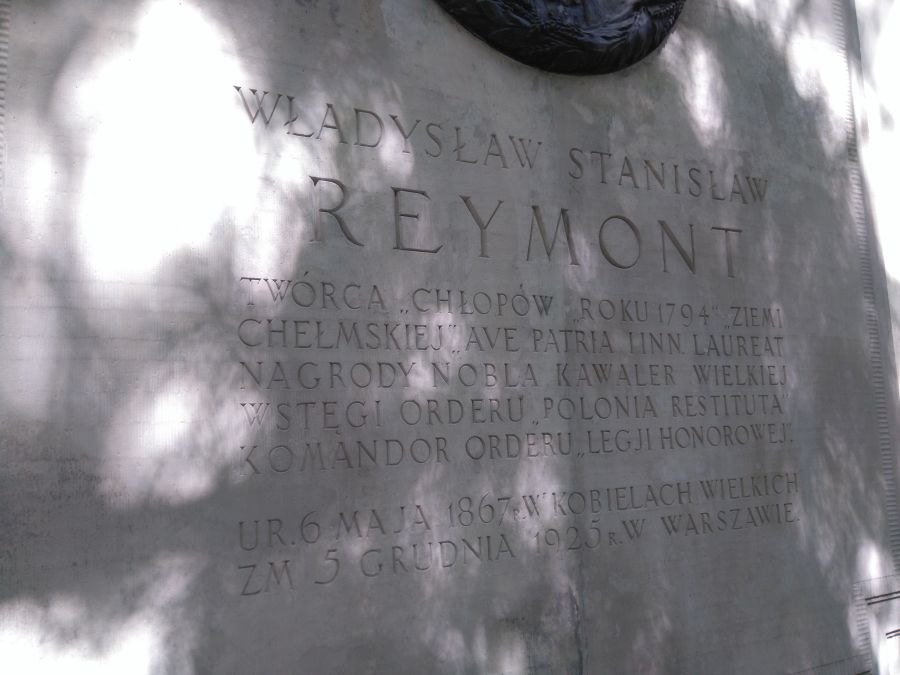
For visitors interested in Polish culture, literature, music and history, Powązki offers an unparalleled introduction to the people who shaped the nation.
Why Visit Powązki on a Guided Tour?
While visitors can explore independently, a guided tour of Powązki Cemetery reveals stories that are often hidden behind names and monuments. Guides explain the symbolism of the sculptures, the dramatic events connected with particular graves, and the lives of the remarkable individuals buried here.
A visit to Powązki is especially rewarding for travellers interested in:
- Warsaw history
- World War II history
- Polish culture and literature
- Art and architecture
- Hidden gems in Warsaw
- Heritage and memory tourism
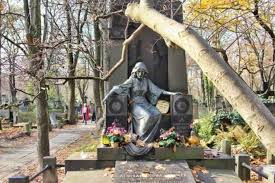
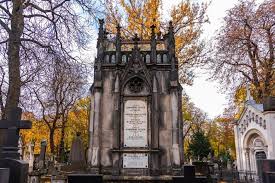
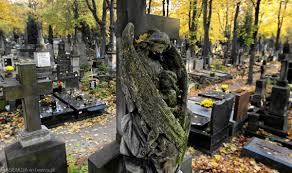
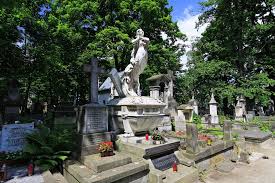
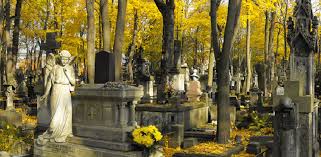
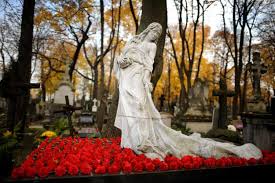
Many visitors are surprised to discover that Powązki feels less like a cemetery and more like a vast historical park filled with sculptures, stories and national memory.
Interesting Facts About Powązki Cemetery
- More than one million people are believed to be buried here.
- It is often called Poland’s largest open-air museum of funerary art.
- Since 1974, an annual fundraising event has helped finance the restoration of historic monuments.
- Numerous symbolic graves commemorate people whose remains were never recovered.
- Powązki played an important role in preserving Polish identity during periods of occupation and political repression.
Visiting Powązki Cemetery Today
Powązki remains an active cemetery while also serving as one of Warsaw’s most important historical landmarks. Ongoing restoration projects continue to preserve its remarkable monuments, sculptures and historic chapels.
For travellers exploring Warsaw, Powązki offers a different side of the city – one that combines history, art, memory and culture in a truly unique setting. Whether you are interested in Polish history, famous personalities or simply wish to experience one of Warsaw’s most atmospheric locations, a guided visit to Old Powązki is an unforgettable experience.