
Magdalena Abakanowicz Footbridge – A New Way to Explore Warsaw
2026-07-11
The Warsaw Linden – A Living Symbol of Warsaw’s Rebirth
2026-07-23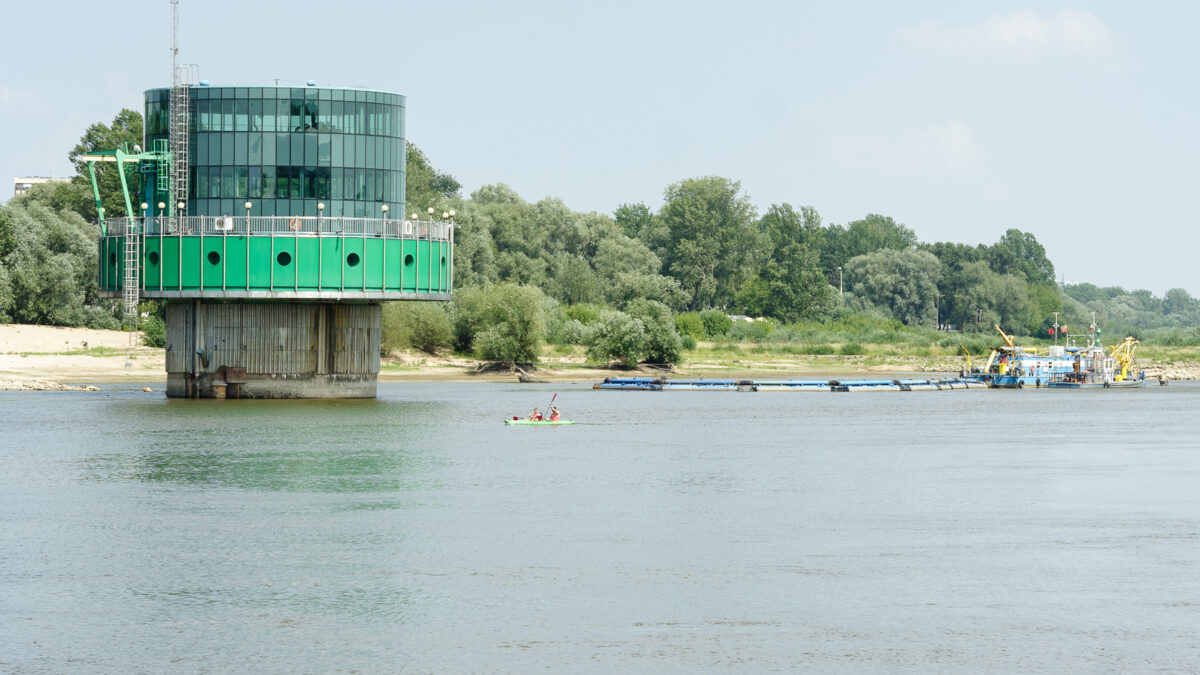
Why Is Fat Kate in the Middle of the River?
The location was carefully chosen.
Fat Kate stands around 186 metres from the riverbank between Czerniaków and Saska Kępa, directly in the main current of the Vistula River. This unusual position allows engineers to take advantage of one of nature’s best water filtration systems.
Instead of collecting water directly from the river’s surface, the system draws it from beneath the riverbed, where layers of sand and gravel naturally filter the water before it even reaches the treatment plant.
It is the largest infiltration well of its kind in Europe and the only one built directly in the middle of a river.
A Brilliant Polish Engineering Idea
Construction began in the 1950s, and the facility officially entered service in 1964.
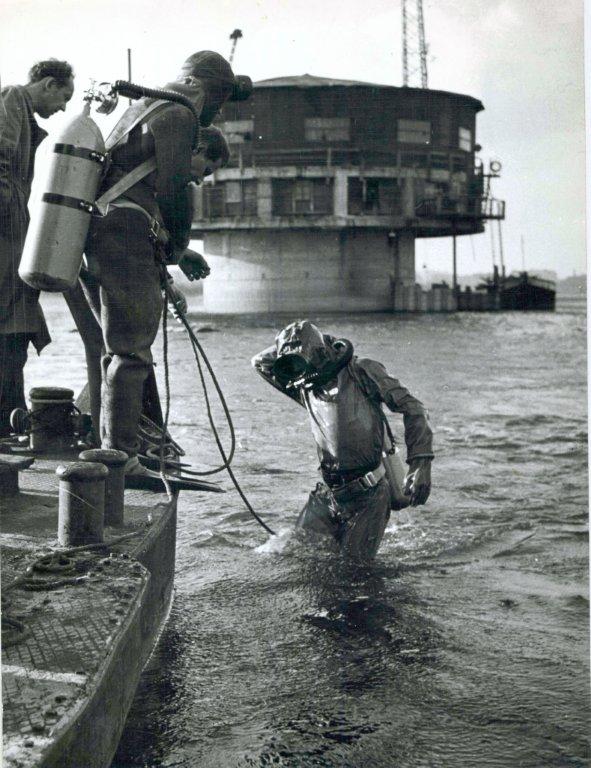
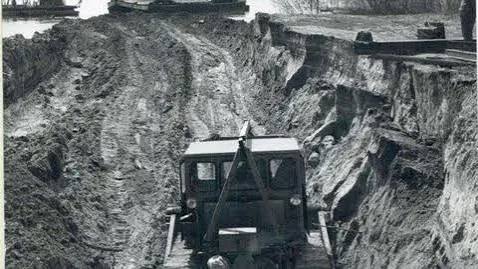
At the time, its design was considered revolutionary. Rather than relying solely on conventional filtration plants built on land, Polish engineers Włodzimierz Skoraszewski and Stanisław Wojnarowicz developed an entirely new concept that worked with nature instead of against it.
Their idea became known as the Warsaw intake system, using the sandy riverbed as a giant natural filter.
Even more than sixty years later, the original concept continues to perform its job remarkably well. Instead of replacing the structure, Warsaw continues to modernise and maintain it—proof of the outstanding quality of its original engineering.
How Does Gruba Kaśka Work?
Hidden beneath the Vistula River is a network of underground drainage pipes extending several metres below the riverbed.
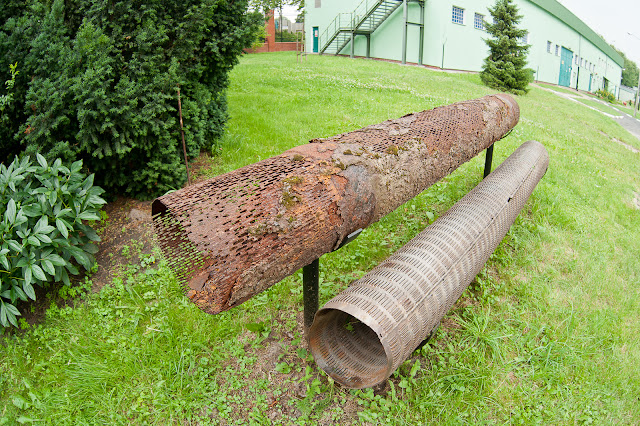
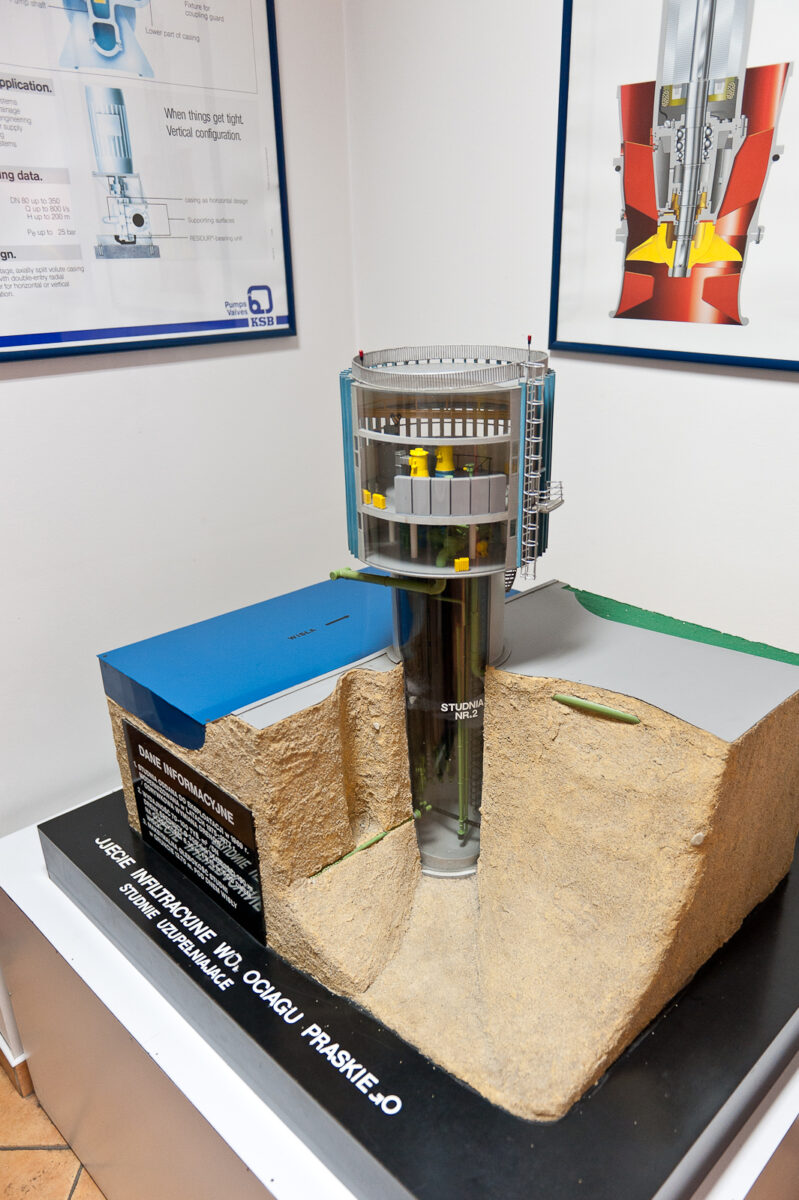
As water slowly passes through layers of sand and gravel, many impurities are naturally removed before the water enters the collection system. From there, it is transported through an underground tunnel to the Praga Water Treatment Plant, where it undergoes additional purification before reaching homes across Warsaw.
Every day, the system supplies an average of 65,000 cubic metres of water, making it one of the most important elements of the city’s water infrastructure.
Nature Helps Protect Warsaw’s Drinking Water
One of the most surprising features of Gruba Kaśka is that some of its most important „employees” aren’t engineers at all.
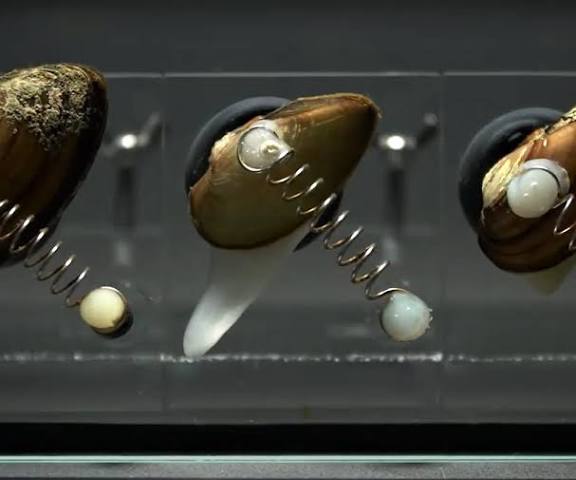
Inside the facility lives a small group of freshwater mussels.
These remarkable creatures form part of a biological early-warning system. Because mussels are extremely sensitive to changes in water quality, they immediately close their shells if harmful substances appear in the water.
If several mussels react at the same time, the monitoring system automatically triggers an alarm, allowing engineers to respond within moments.
It is a fascinating example of how modern technology and natural biological processes work together to protect Warsaw’s drinking water.
A Hidden Landmark Along the Vistula
Although Gruba Kaśka cannot be visited from the inside, it is easy to spot from many places along the river.
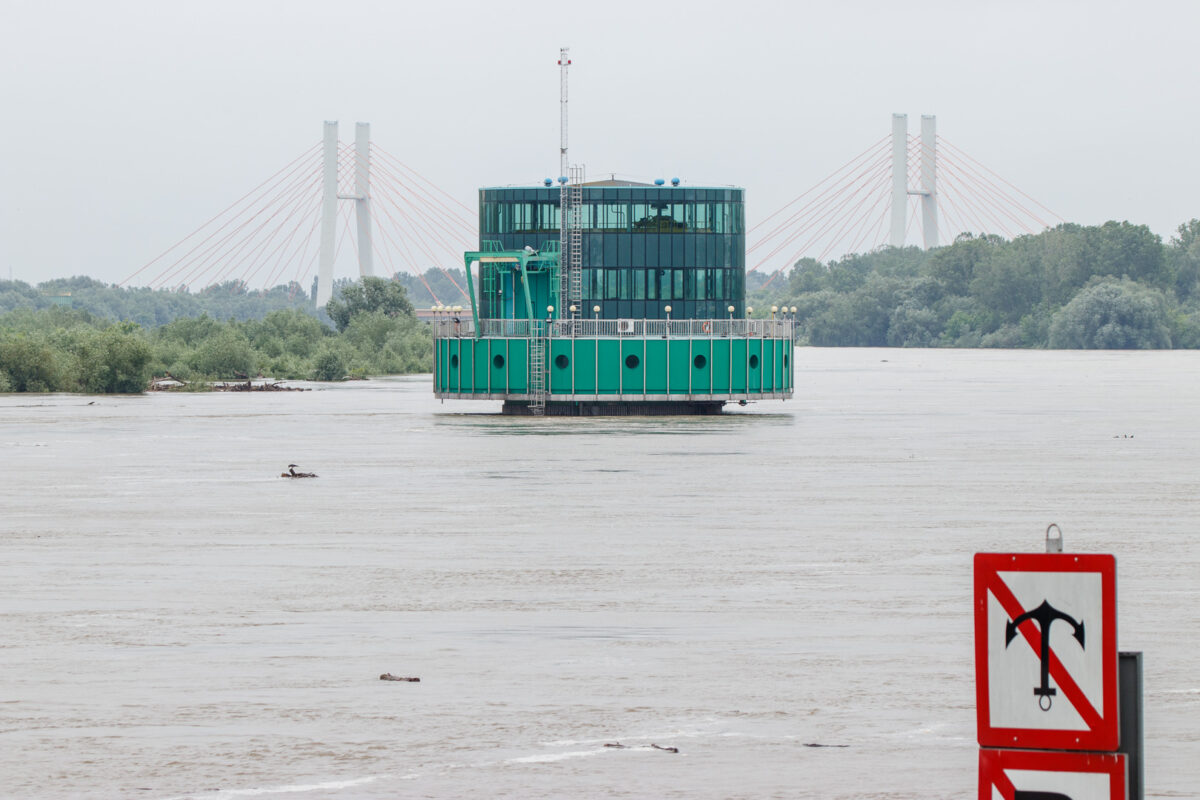
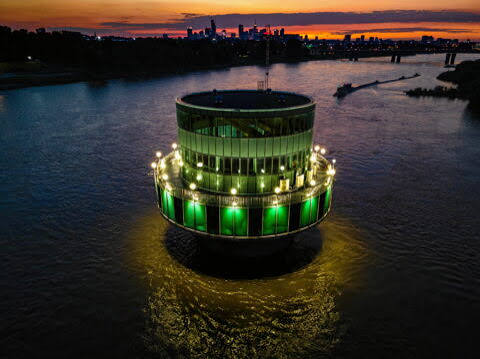
The best views are from the Vistula Boulevards, the Magdalena Abakanowicz Footbridge, and riverside walking and cycling paths. It also appears during many river cruises and is often one of the landmarks pointed out by a knowledgeable Warsaw guide.
More Than Infrastructure
Over the decades, Gruba Kaśka has become an unexpected symbol of modern Warsaw. It has appeared in Polish films and documentaries and remains one of the capital’s most recognisable structures on the Vistula River.
While many tourists come to Warsaw for its Royal Castle, Old Town, or the Warsaw Praga district, Gruba Kaśka tells a different story—one of innovation, engineering, and the remarkable ways the city has learned to work with its natural environment.
If you’re looking to discover places beyond the traditional tourist route, this unique riverside landmark is well worth adding to your list of things to do in Warsaw. An experienced Warsaw tour guide can also explain how this extraordinary structure became one of the city’s quietest heroes.