
Dynasy Street: A Forgotten Gem of Warsaw’s History
2025-10-07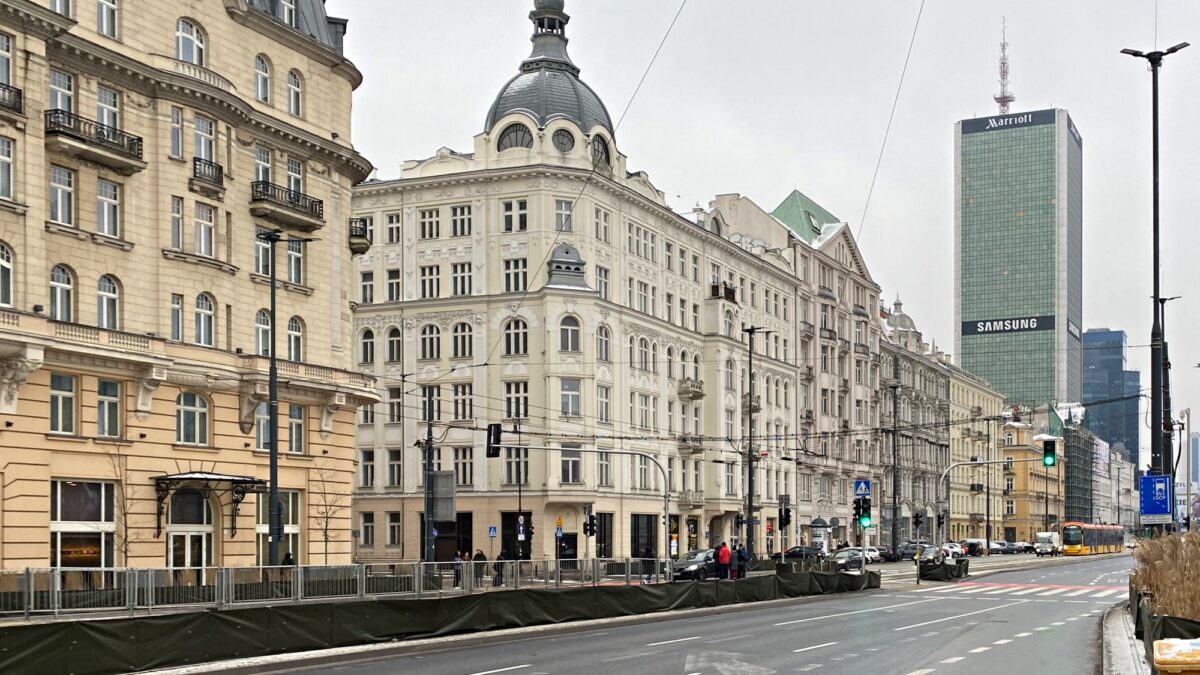
If you arrive in Warsaw by train, there’s a good chance your first steps will land on Aleje Jerozolimskie — one of the city’s longest and most iconic avenues, stretching over 10 kilometers across the capital. But beneath the modern chaos of cars, trams, and office towers lies a story that began in the 18th century.
From “New Jerusalem” to Modern Metropolis
The name Jerozolimskie (“Jerusalem”) goes back to 1774, when August Sułkowski founded a short-lived Jewish settlement called Nowa Jerozolima (New Jerusalem). Though the settlement lasted only two years, its name survived — immortalized in this grand Warsaw thoroughfare.
In the 19th century, Aleje Jerozolimskie became a true artery of progress. The opening of the Warsaw–Vienna Railway Station in 1845 sparked a boom: hotels, warehouses and elegant villas grew rapidly around the tracks. Later, monumental buildings like the National Museum and Bank Gospodarstwa Krajowego (BGK – Polish development bank) shaped the avenue’s interwar charm.
A Street that Survived It All
Warsaw’s turbulent 20th century left deep marks here. During the Warsaw Uprising, Aleje Jerozolimskie was an important— and deadly — passage between the northern and southern parts of the city. Postwar reconstruction turned it once again into a showcase of the capital, with socialist-modernist landmarks such as the Dom Partii (Headquarters of the Communist Party).
And Then Came the Palm Tree
Fast forward to 2002. Artist Joanna Rajkowska installed a 15-meter artificial palm tree right in the middle of the busy Charles de Gaulle Roundabout. Inspired by her trip to Jerusalem and the complex Israeli–Palestinian reality, she wanted the tree to feel “cheeky and out of place — like a girl from the suburbs.”
What was meant to be a one-year art installation became one of Warsaw’s most beloved (and debated) symbols. In 2019, the palm’s green leaves were replaced with dry, real ones — a striking reminder of how human actions destroy ecosystems. Today, even as the roundabout faces redevelopment, locals fiercely defend their palm. It’s more than art — it’s a part of Warsaw’s soul.
Why You Should Include it in you Warsaw Tour?
Walk down Aleje Jerozolimskie, and you’ll see Warsaw in a nutshell — history, resilience, reinvention, and a splash of absurd humor. Whether you’re coming for the museums, architecture, or just that famous fake palm, this avenue will tell you everything you need to know about the city that never stopped rebuilding itself.