
Powązki Cemetery (Old Powązki) – Warsaw’s Open-Air Museum of History, Art and Memory
2026-06-12
Ujazdowskie Avenue – A Royal Boulevard in the Heart of Warsaw
2026-06-28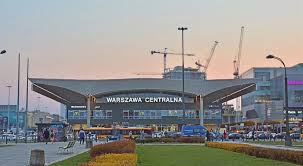
A Railway Station Built at Record Speed
The story of Warsaw Central is as dramatic as the era in which it was built. Construction began in 1972 and was completed in just 1,100 days – an extraordinary pace for a project of this scale.
The station was built ahead of an important visit by Soviet leader Leonid Brezhnev and the 7th Congress of the Polish United Workers’ Party. Workers raced against time, often under difficult conditions, to deliver what would become the most modern railway station in Poland.
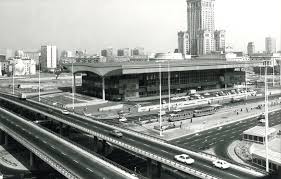
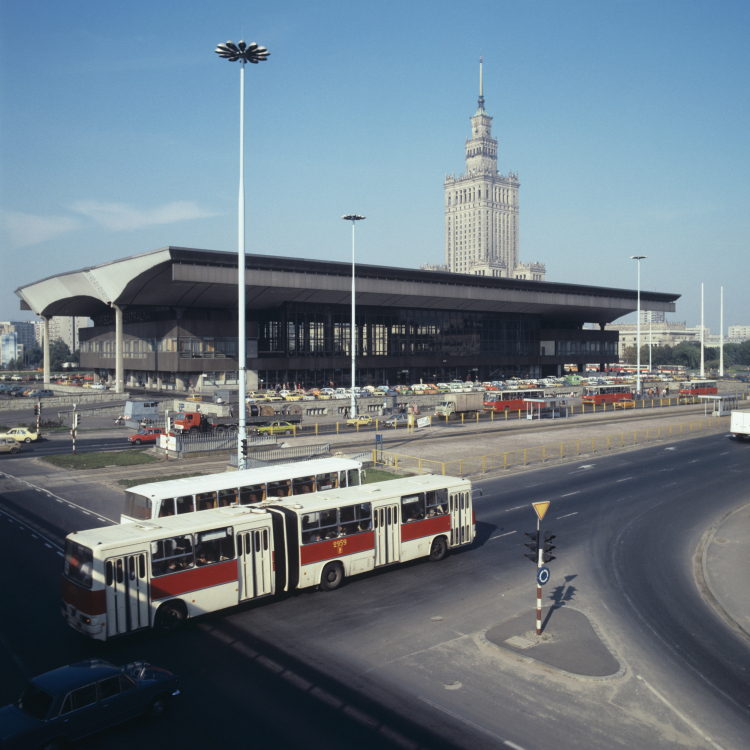
When it opened in 1975, Warszawa Centralna was celebrated as a showcase of Polish engineering, architecture and technical innovation.
The Vision of Arseniusz Romanowicz
Warsaw Central station was designed by renowned Polish architect Arseniusz Romanowicz, together with Piotr Szymaniak, who were responsible for many of Warsaw’s railway stations along the city’s cross-city rail line.
Interestingly, the architects had been working on concepts for a central Warsaw station since the late 1940s. The final building completed in 1975 was actually the seventh version of their vision, refined over decades of planning and design.
Today, architecture enthusiasts often consider Warszawa Centralna one of the finest examples of Polish modernism and a landmark of the so-called „socialist modernist” period.
A Showcase of 1970s Modernity
When the station opened, it felt futuristic.
Its striking steel-and-glass structure featured innovations that were rare in Poland at the time, including:
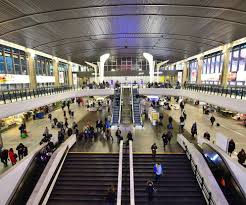
- Automatic sliding doors
- Escalators and moving walkways
- Air conditioning
- Electronic clocks
- Modern luggage trolleys
- Spacious underground passageways
- Large glazed public halls
For many Warsaw residents, visiting the station in the 1970s was an attraction in itself. The bright interiors, modern technology and vast ticket hall symbolized a new era of mobility and international connections.
The building quickly became an architectural icon.
Architecture Worth Discovering
One of the reasons Warszawa Centralna attracts architecture lovers is its distinctive design. The station’s sweeping roof resembles a giant platform canopy, creating a light and elegant silhouette despite its enormous size.
Large glass façades flood the interiors with natural light, while the station’s open spaces reflect international design trends of the 1960s and 1970s.
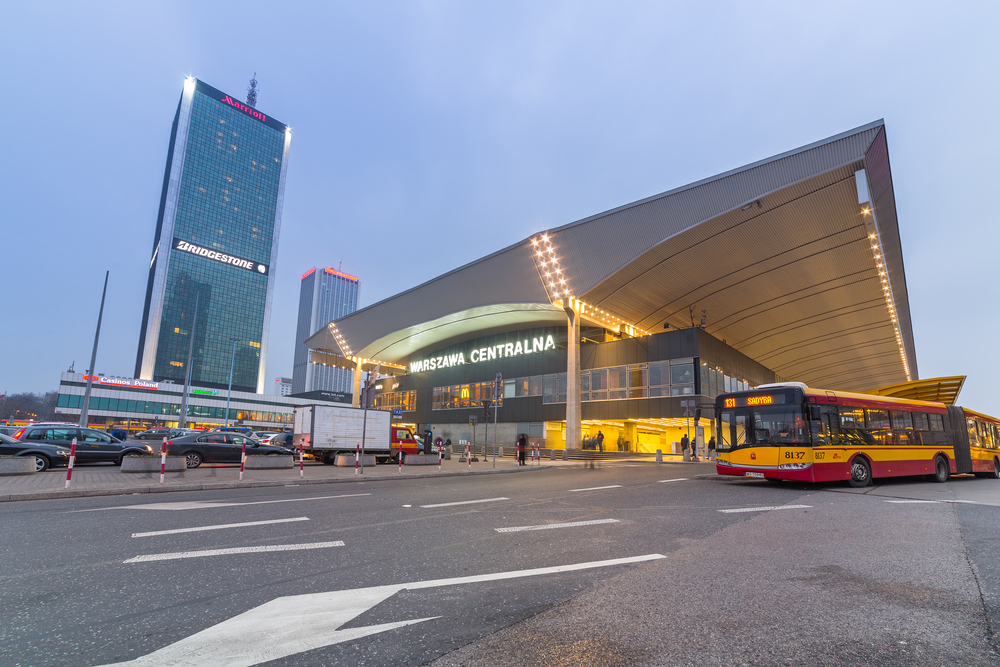
Art historians often describe Warsaw Central as one of the most ambitious architectural projects of communist-era Poland. Unlike many railway stations built during the same period elsewhere in Eastern Europe, Warszawa Centralna embraced modern global design trends and advanced engineering solutions.
Because of its architectural significance, the station was added to Poland’s register of historic monuments in 2019.
From Decline to Revival
Like many public buildings of the communist era, Warsaw Central suffered from years of underinvestment after the fall of communism. During the 1990s, commercial kiosks and temporary retail spaces gradually filled much of the station, obscuring parts of the original design.
A major renovation carried out before the UEFA Euro 2012 tournament restored many architectural features and improved passenger facilities while preserving the building’s historic character.
The modernization helped return Warszawa Centralna to its position as one of Warsaw’s most important landmarks.
Warsaw Central Today
Today, Warsaw Central is the main long-distance railway station in Poland and one of the country’s busiest transport hubs.
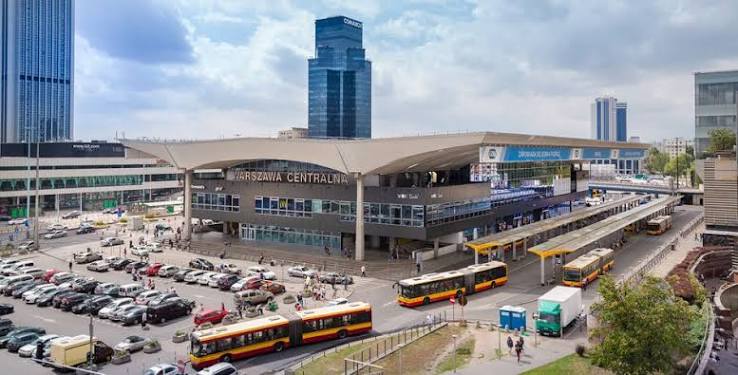
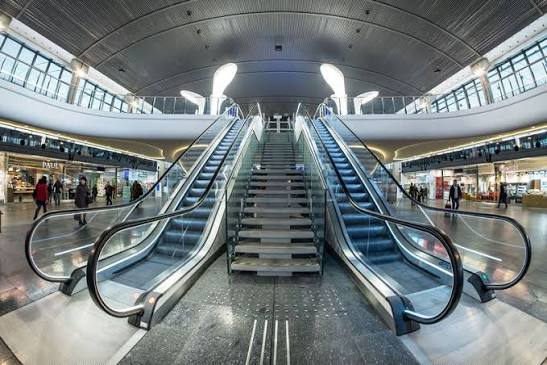
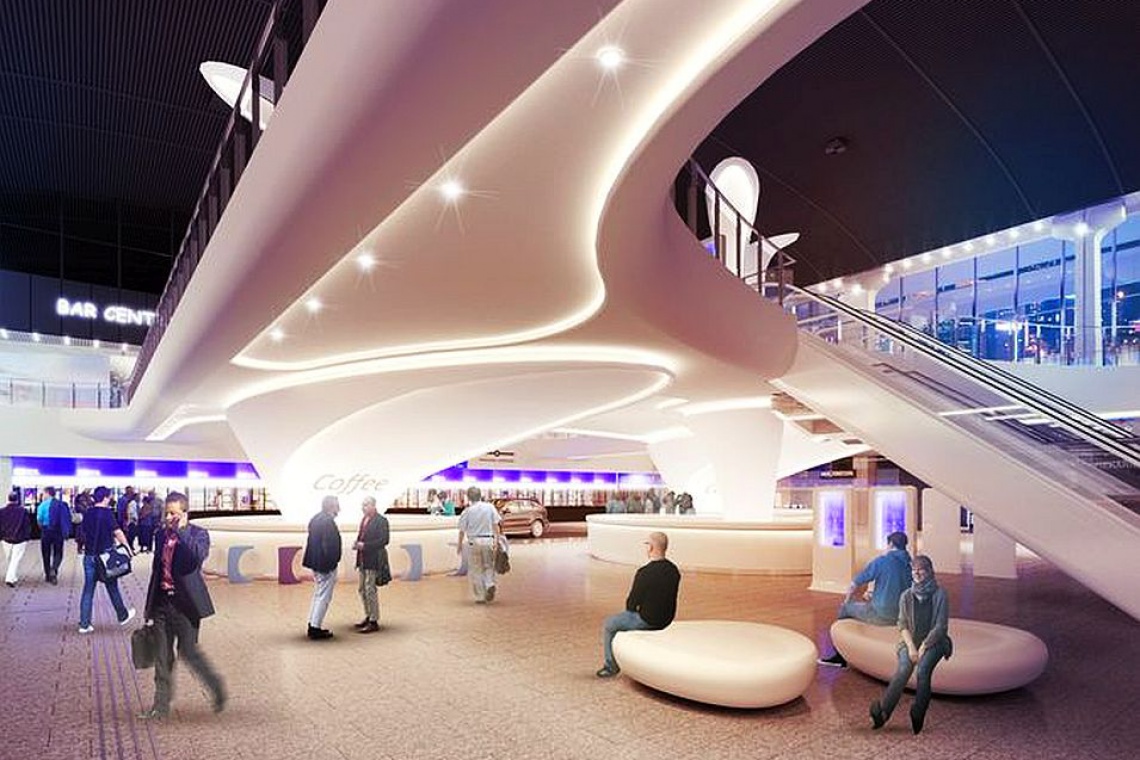
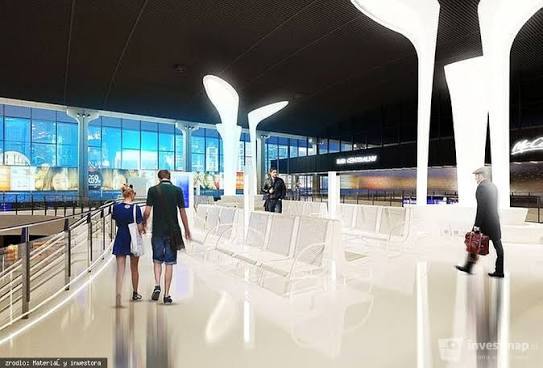
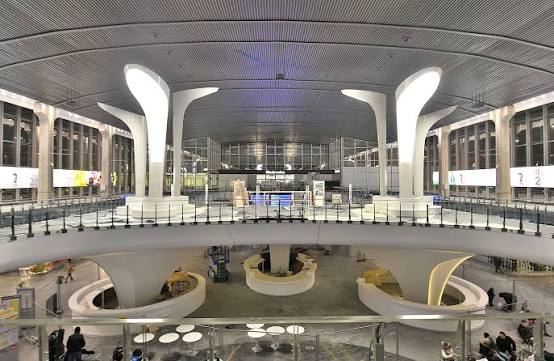
The station connects Warsaw with more than 110 domestic and international destinations, including cities such as Berlin, Vienna, Prague, Budapest, Kraków and Gdańsk. It serves both high-speed and regional rail services, making it an essential part of Poland’s transport network.
More than 20 million passengers pass through the station every year, making it one of the busiest railway stations in the country.
In 2025, on the occasion of its 50th anniversary, the station received important rail infrastructure upgrades designed to increase capacity and improve traffic flow for future generations of travellers.
Why Visit Warsaw Central on a Guided Tour?
Most visitors simply pass through the station without realizing its historical significance. Yet for anyone interested in architecture, urban planning, Cold War history or modern Warsaw, Warszawa Centralna offers a fascinating glimpse into the ambitions of 1970s Poland.
During a guided Warsaw architecture tour, visitors can learn:
- Why the station was built so quickly
- How communist-era Poland pursued modern architectural trends
- The story of architect Arseniusz Romanowicz
- How the station transformed Warsaw’s city centre
- Why it remains one of Poland’s most important modernist landmarks
Combined with nearby attractions such as the Palace of Culture and Science, the Śródmieście district and the modern business centre of Warsaw, Warszawa Centralna helps tell the story of a city constantly reinventing itself.
For travelers exploring Warsaw beyond the Old Town, Warsaw Central Railway Station is far more than a transport hub—it is a living monument to the city’s post-war transformation, architectural ambition and enduring connection with the wider world.