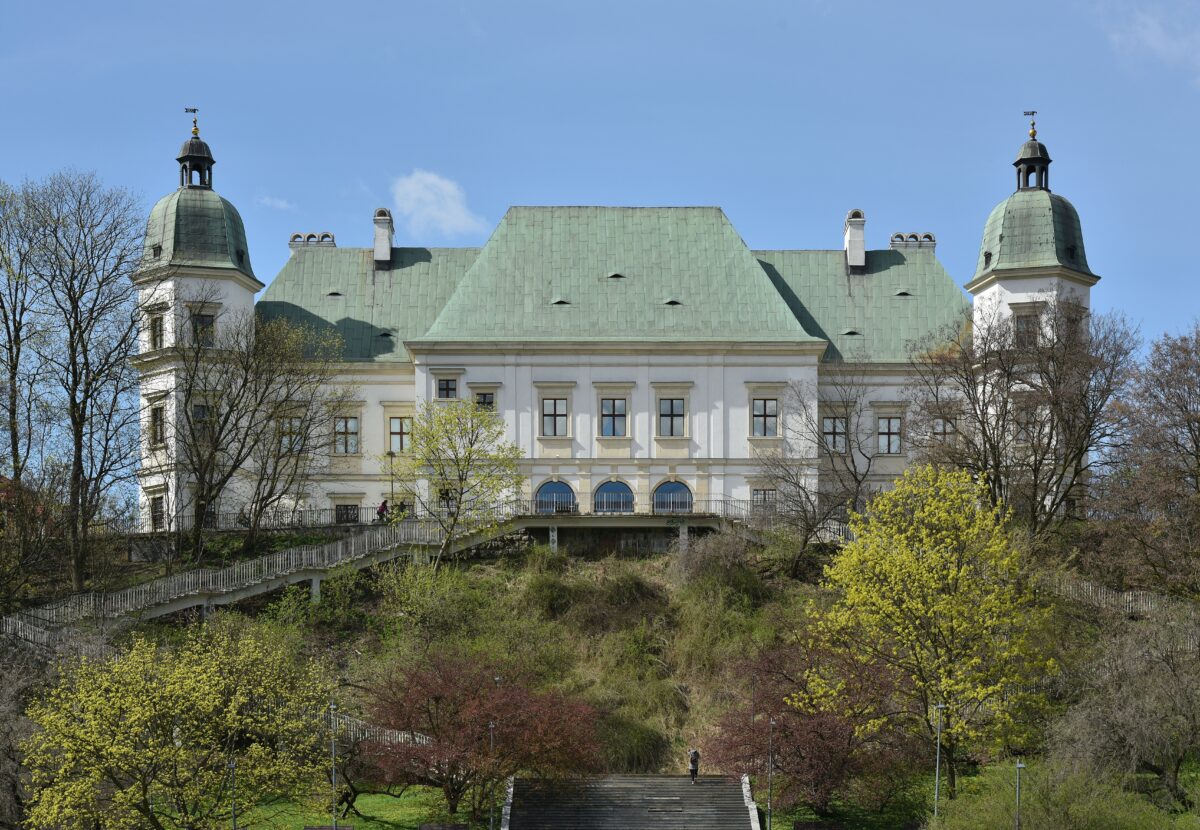

Palaces on the Edge – The Royal Residences of the Warsaw Escarpment
2026-03-30
Krasiński Palace – A Baroque Gem on Every Walking Tour of Warsaw
2026-05-08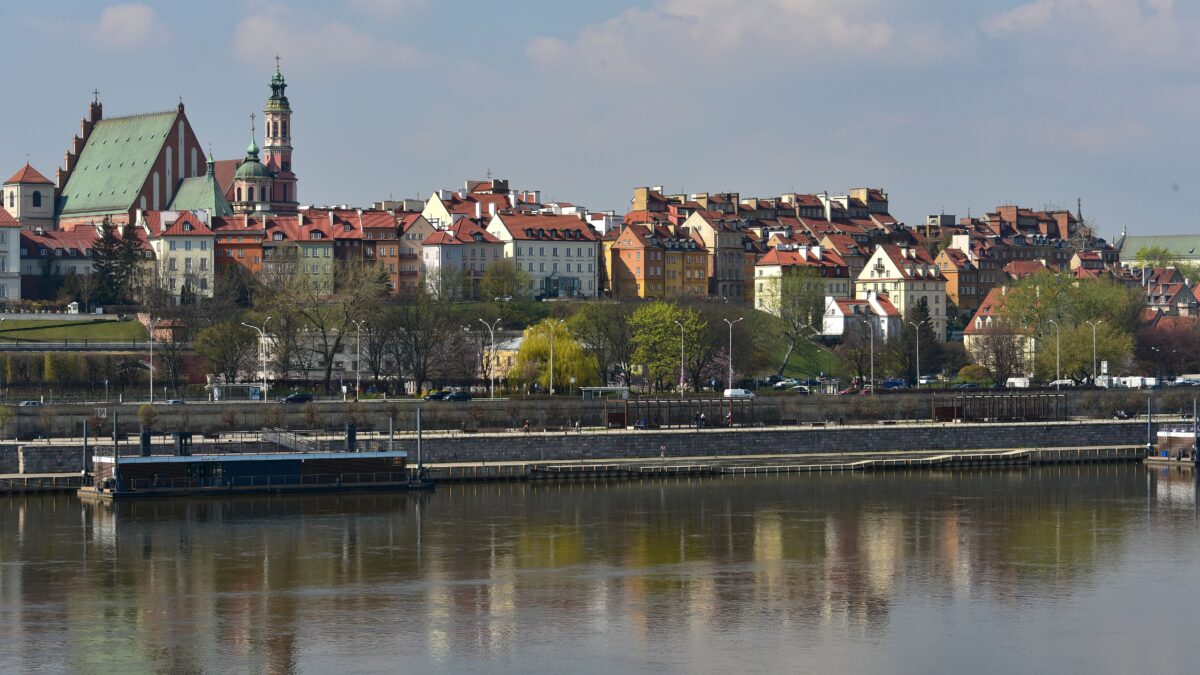
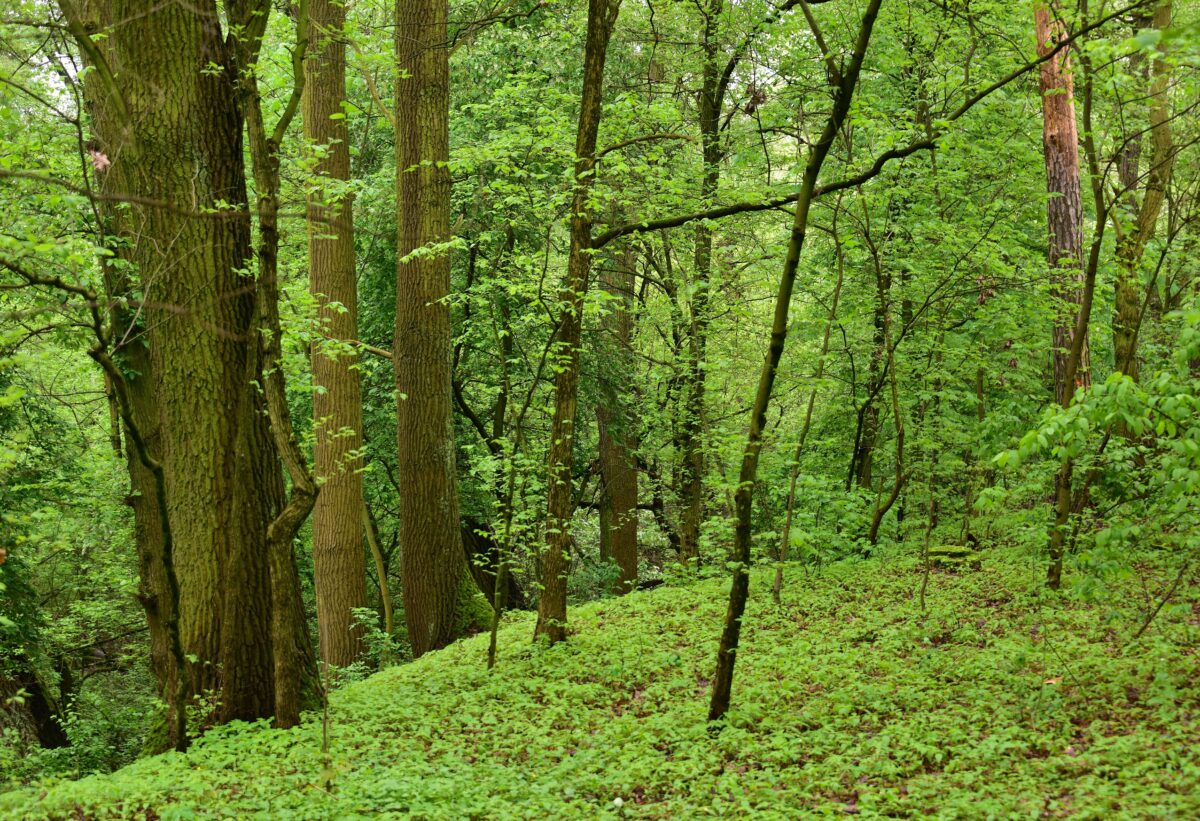
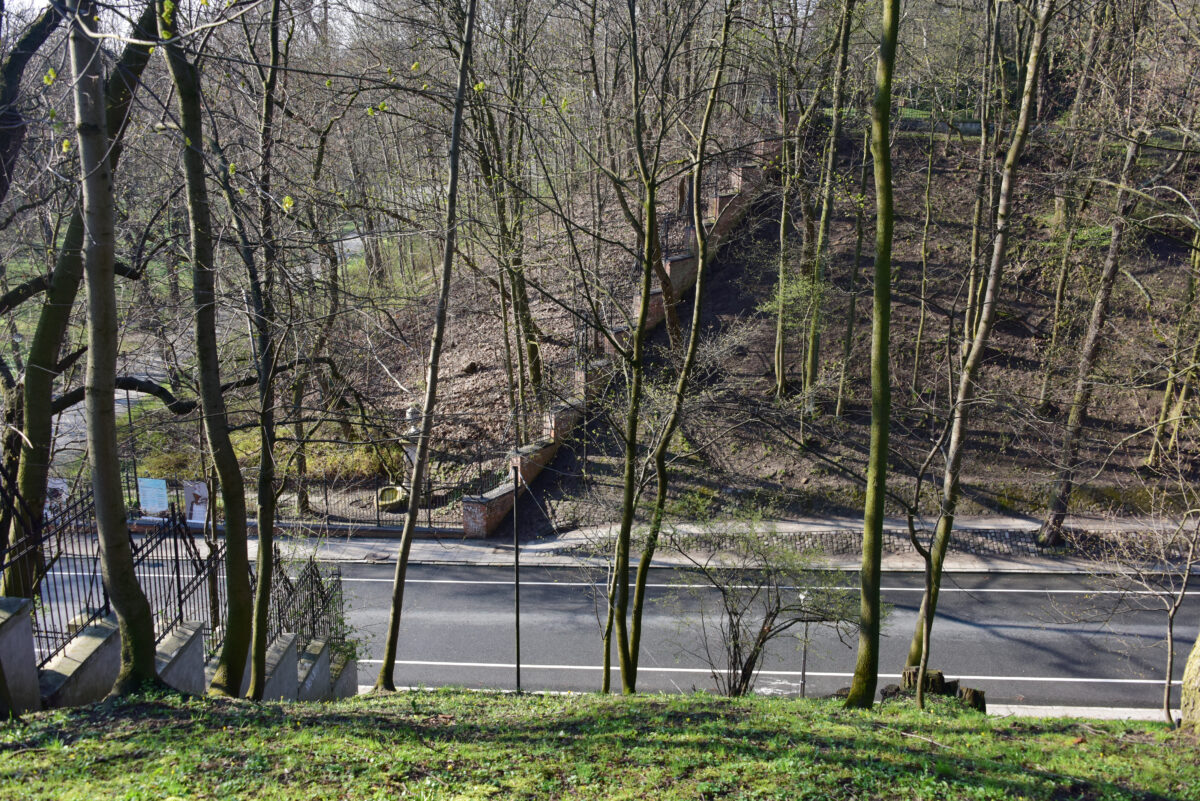
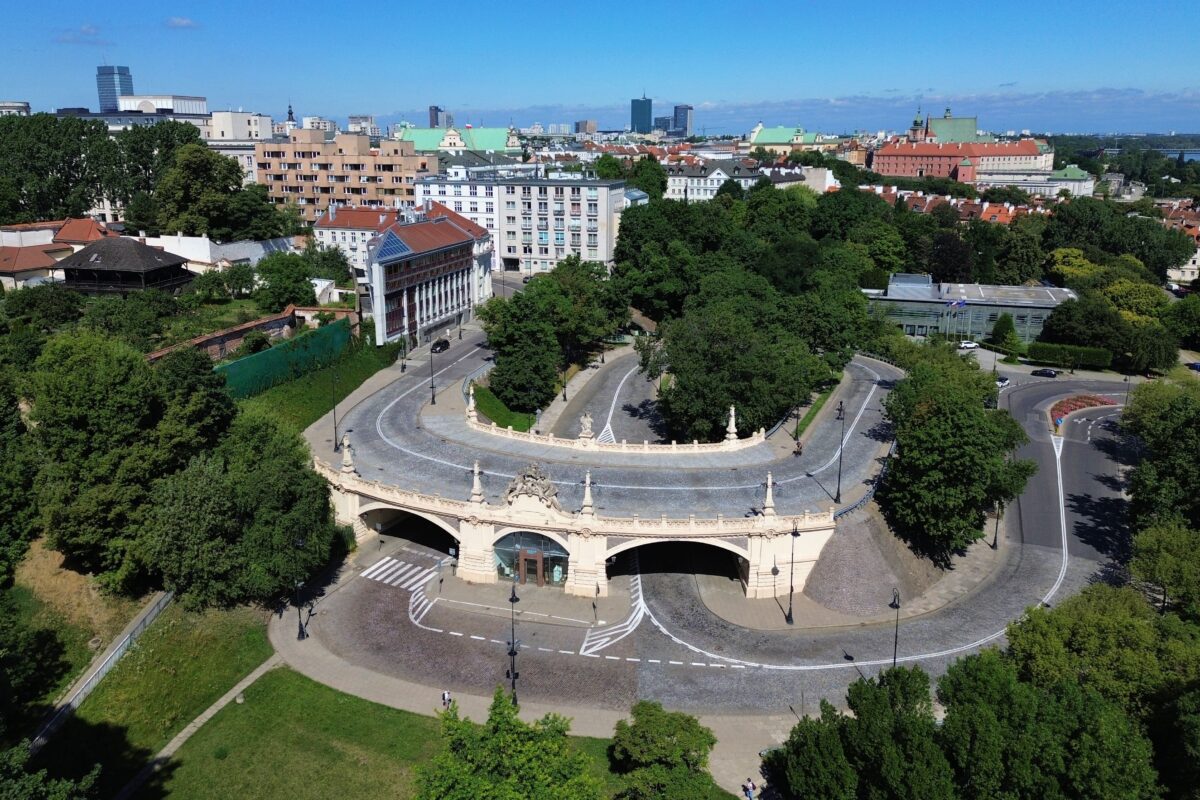
These green spaces follow the natural shape of the slope, creating terraces that descend toward the Vistula River. The result is a unique landscape in the heart of the city – a combination of history, nature and urban design.
In earlier centuries, many of the palaces built along the escarpment included elaborate gardens. These were often designed in terraces, allowing residents to enjoy views of the river valley while strolling through carefully arranged greenery.
Over time, especially in the 20th century, many of these areas were opened to the public. After the destruction of World War II and the rebuilding of Warsaw, planners began to emphasize green corridors along the escarpment, connecting historic gardens with new public parks.
Today, this green belt forms one of the most pleasant walking routes in central Warsaw.
During a walking tour of Warsaw, visitors can move between historical landmarks and quiet green spaces within just a few minutes. From palace gardens to scenic viewpoints, the escarpment offers a slower and more atmospheric way to experience the city.
For travelers searching for unique things to do in Warsaw, exploring these parks with a local Warsaw guide is a wonderful alternative to crowded tourist routes. It combines architecture, landscape and history in a way that few European capitals can offer.
The escarpment reminds visitors that Warsaw is not only a city of monuments and dramatic history — it is also a city shaped by nature.