
From Royal Gardens to City Parks – The Green Side of the Warsaw Escarpment
2026-04-05
Pac Palace in Warsaw – A Hidden Architectural Masterpiece on Miodowa Street
2026-05-14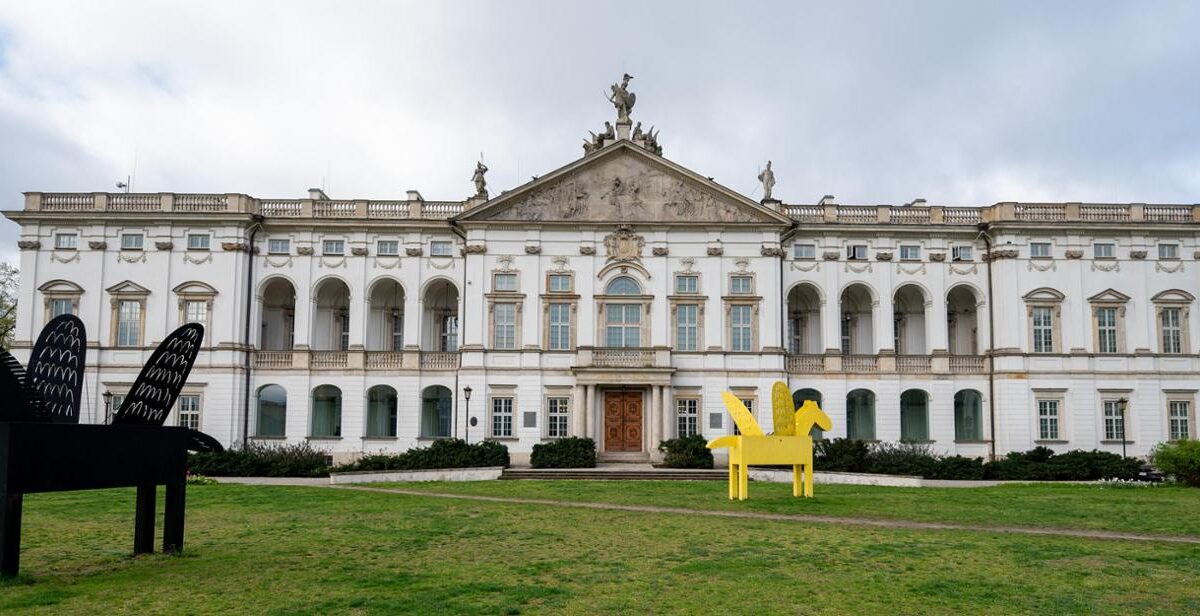
A Palace Built for Prestige
The palace was constructed between 1688 and 1699 for Jan Dobrogost Krasiński, one of the most influential nobles in the Polish–Lithuanian Commonwealth. Designed by the renowned Dutch-born architect Tylman van Gameren, it was considered by contemporaries to be one of the most beautiful aristocratic residences in Warsaw.
Krasiński wanted a residence that would demonstrate the power, wealth and political ambitions of his family. Like many magnates of the period, he dreamed of building a palace that could rival, or even surpass, king Jan III Sobieski’s famous Wilanów Palace.
The architecture and decoration were carefully designed to communicate prestige. Sculptural elements referred to the legendary Roman origins of the Krasiński family, supposedly descended from the ancient patrician Marcus Valerius Corvus. In the Baroque era, connecting noble families to antiquity was fashionable among the Polish elite and served as a powerful symbol of status and ambition.
Even today, visitors on a walking tour in Warsaw can admire the impressive facade and rich sculptural decoration inspired by classical mythology.
From Aristocratic Residence to Government Palace
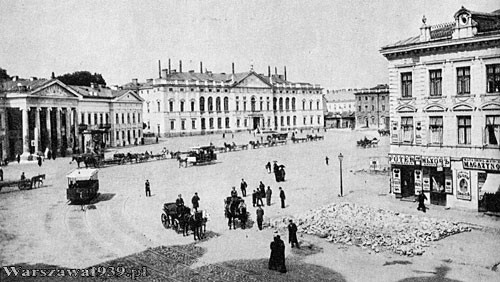
In 1765, the palace was purchased by the Treasury Commission of the Polish Crown and transformed into a government building. From that moment onward, the palace became closely connected to the political history of Poland.
During the 18th century, the building underwent several reconstructions. Architect Jakub Fontana modernized parts of the palace, but disaster struck in 1782, when a fire nearly destroyed the residence. It was quickly rebuilt the following year under the direction of Domenico Merlini, one of the leading architects of the royal court.
After the Third Partition of Poland in 1795, the palace witnessed one of the most humiliating moments in Polish history. In 1796, ceremonies of loyalty to the Prussian king were organized here following the disappearance of Poland from the map of Europe.
In the 19th century, the palace housed institutions of the Duchy of Warsaw and later offices of the Russian-controlled Congress Kingdom. It became associated with imperial administration and later Russian courts. During this period, many careless renovations damaged the original Baroque elegance of the building, including the removal of the Krasiński family coat of arms.
War, Destruction and Rebirth
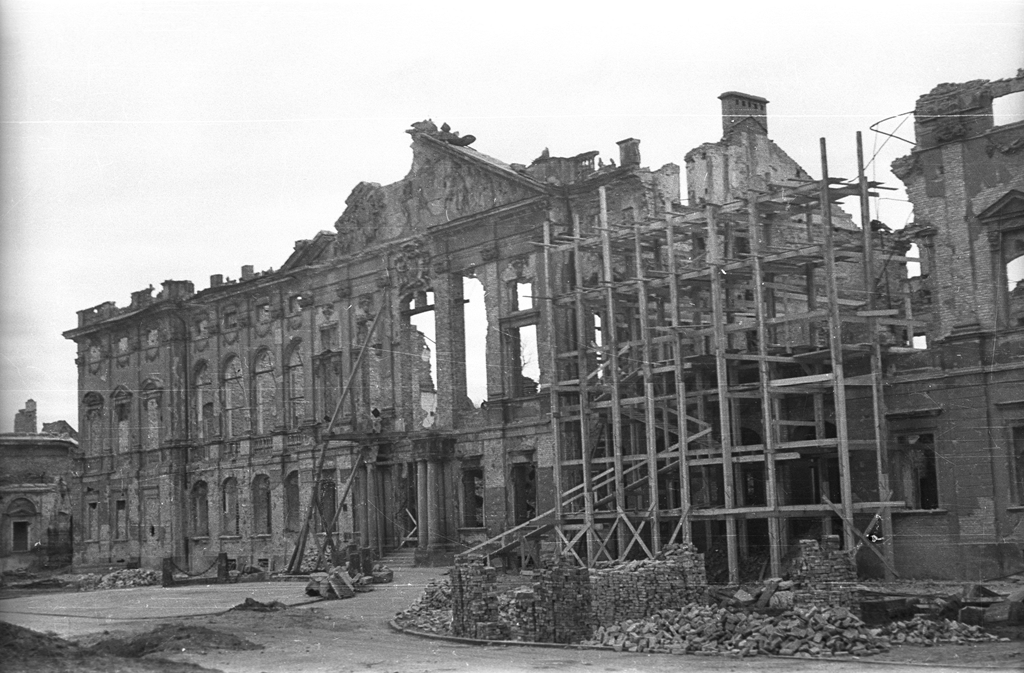
Like much of Warsaw, the palace suffered terribly during World War II.
During the Warsaw Uprising of 1944, the building served as a defensive position for the famous scout battalion “Parasol.” On August 27, German aircraft bombed the palace heavily, reducing much of it to ruins.
After the war, reconstruction began in 1948 and lasted until 1961. The rebuilding effort carefully restored the palace’s historic Baroque appearance, making it one of the many examples of Warsaw’s extraordinary postwar reconstruction.
Today, the palace houses the most precious manuscripts and treasures of the National Library of Poland, including priceless cultural artifacts that survived the destruction of the war.
Between 2014 and 2016, the building underwent another major revitalization project supported by European heritage funds, restoring many details of its original splendor.
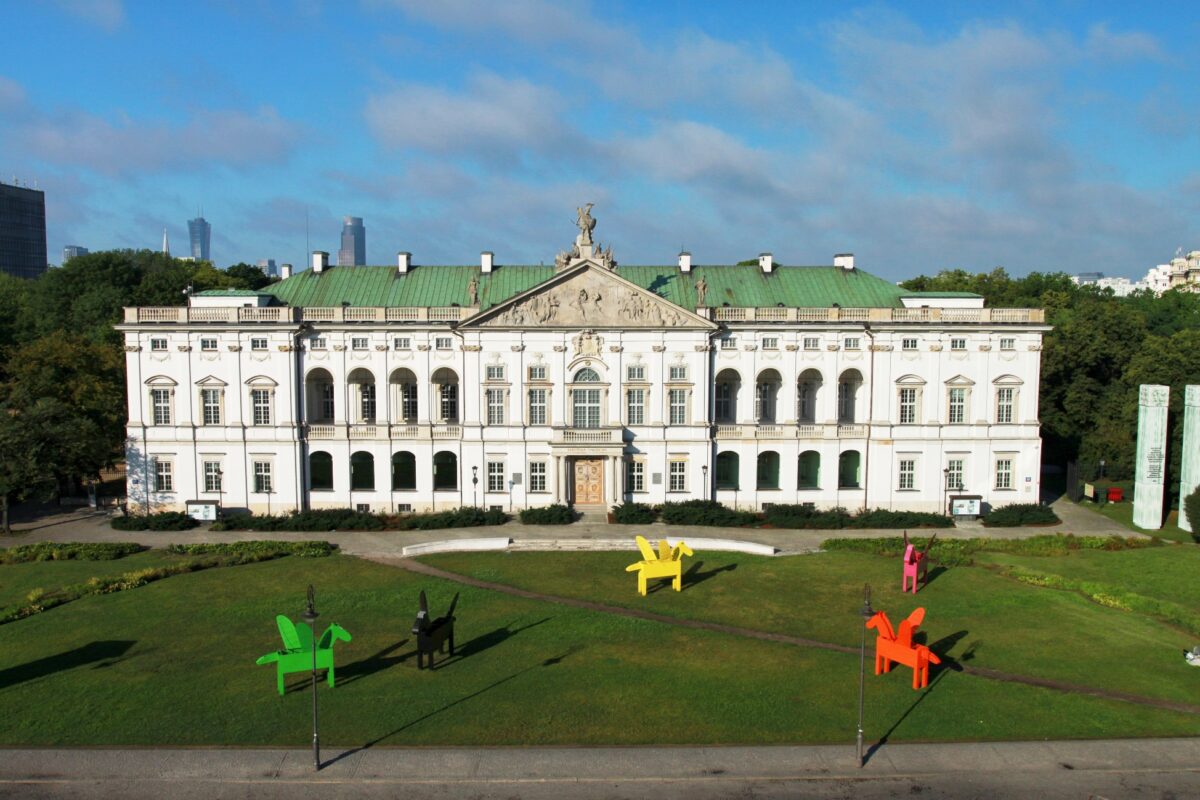
Why Visit Krasiński Palace During a Warsaw Walking Tour?
What makes Krasiński Palace special is not only its beauty, but also the layers of history hidden within its walls.
Few places in Warsaw reflect so many chapters of Polish history:
- aristocratic ambition,
- the golden age of the Commonwealth,
- partitions and foreign occupation,
- wartime destruction,
- and postwar reconstruction.
The surrounding Krasiński Garden also makes this area one of the most pleasant stops during a walking tour of Warsaw. It offers a quieter, greener atmosphere than the busy Old Town, while still being just minutes away from the city’s major landmarks.
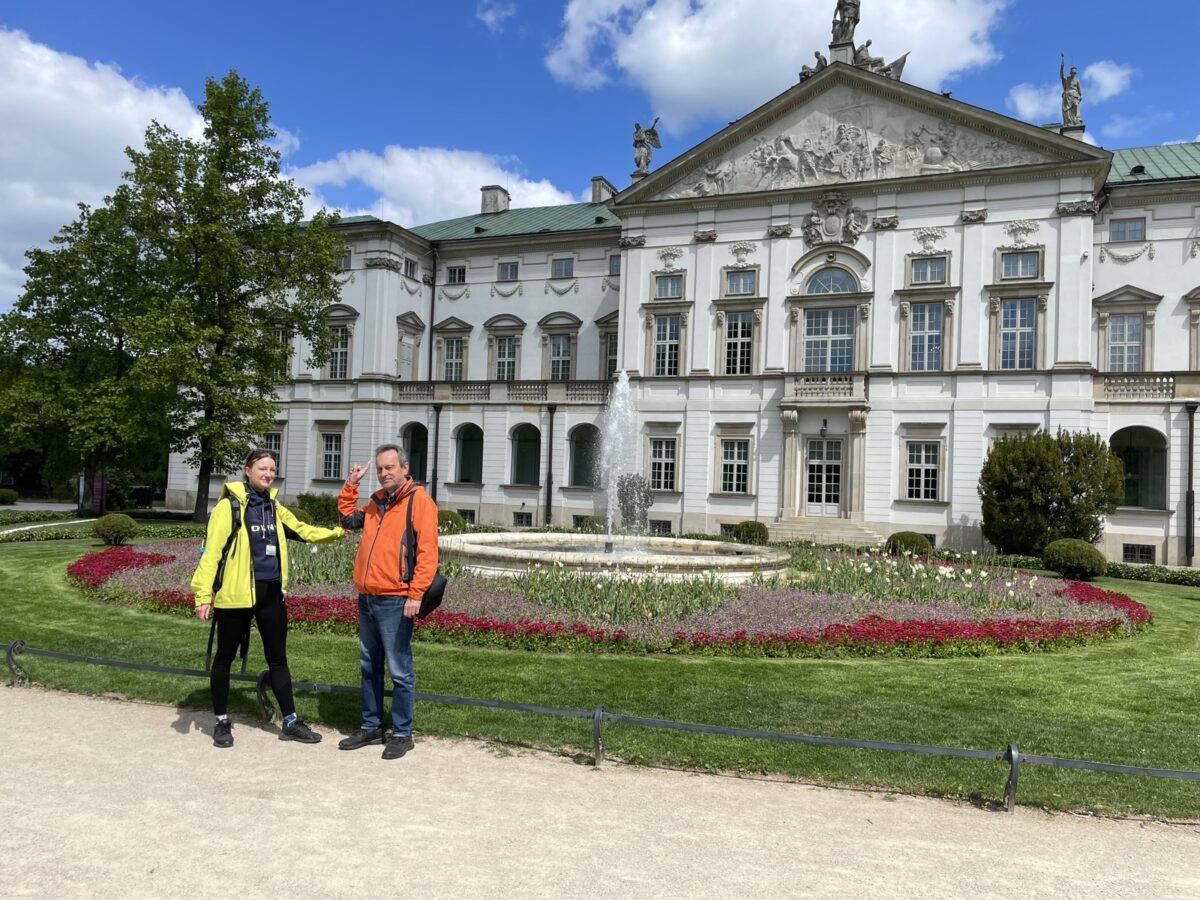
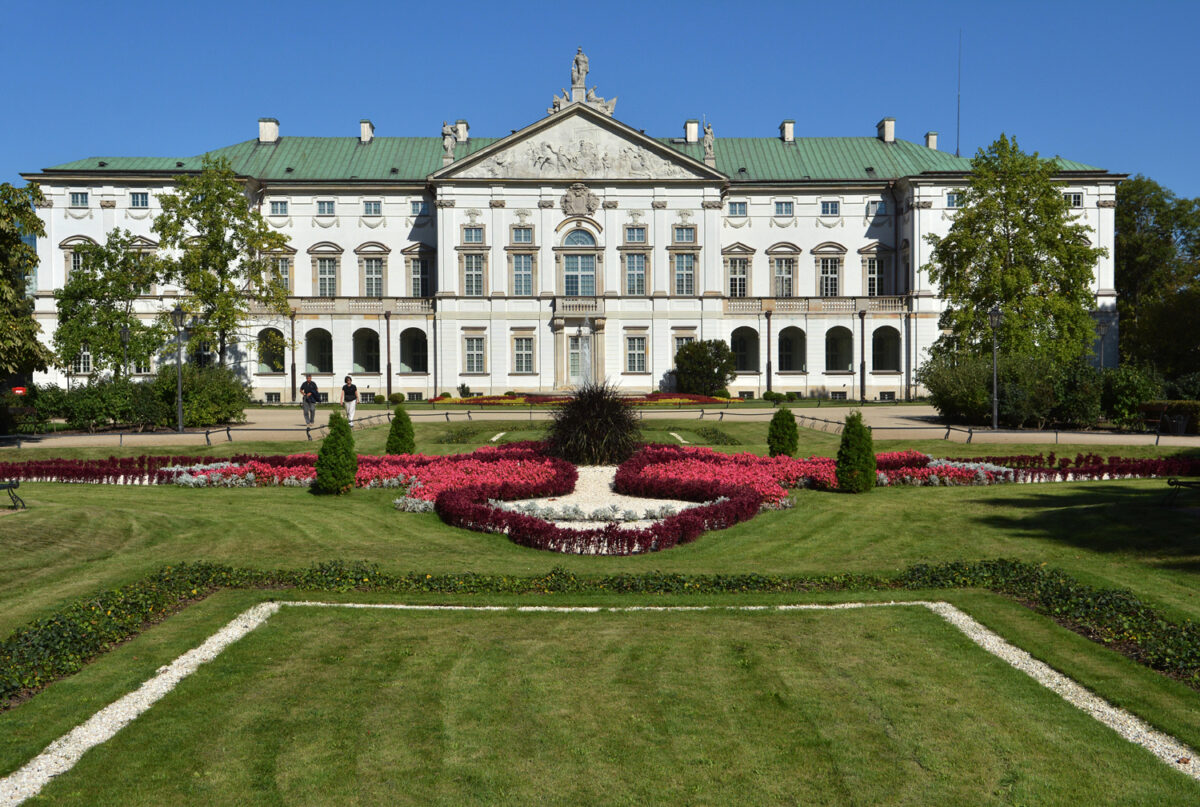
For travelers searching for meaningful things to do in Warsaw, visiting Krasiński Palace with an experienced Warsaw guide provides a deeper understanding of how the city evolved through centuries of glory, tragedy and resilience.