
Reduta Banku Polskiego – A Symbol of Heroism During the Warsaw Uprising
2026-08-24
Gawroński Villa in Warsaw – A Historic Residence and a Window into Polish Modernism
2026-09-15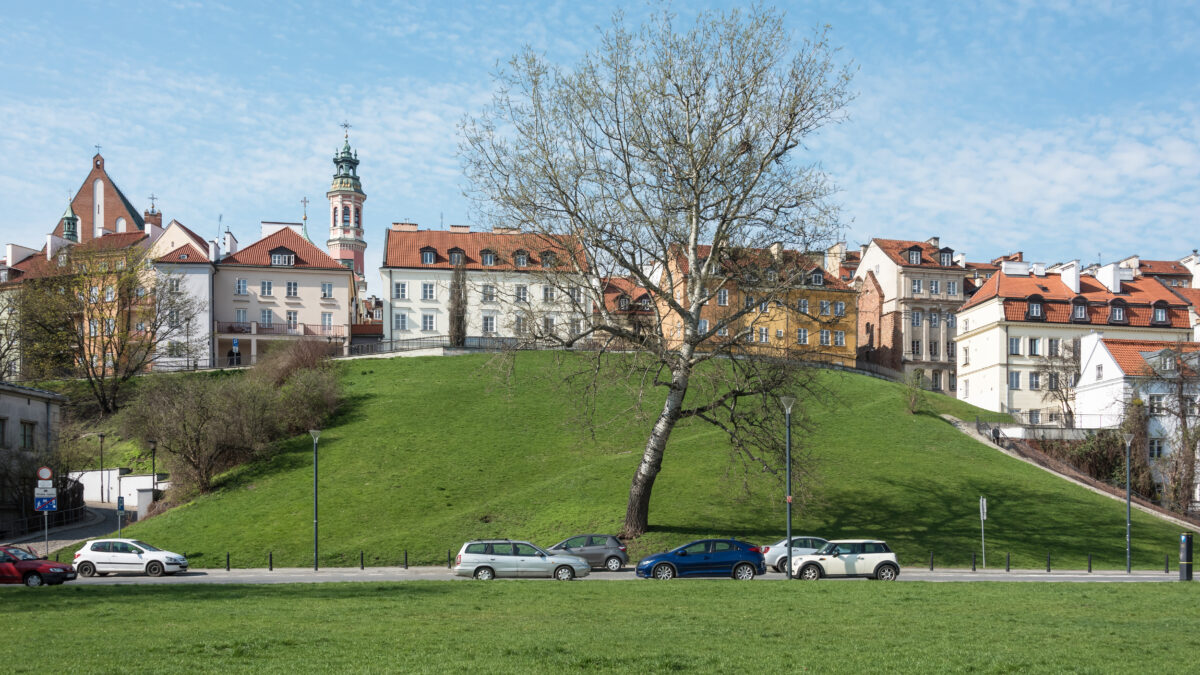
The hill beneath your feet is not a natural part of Warsaw’s river escarpment. It is an old rubbish dump.
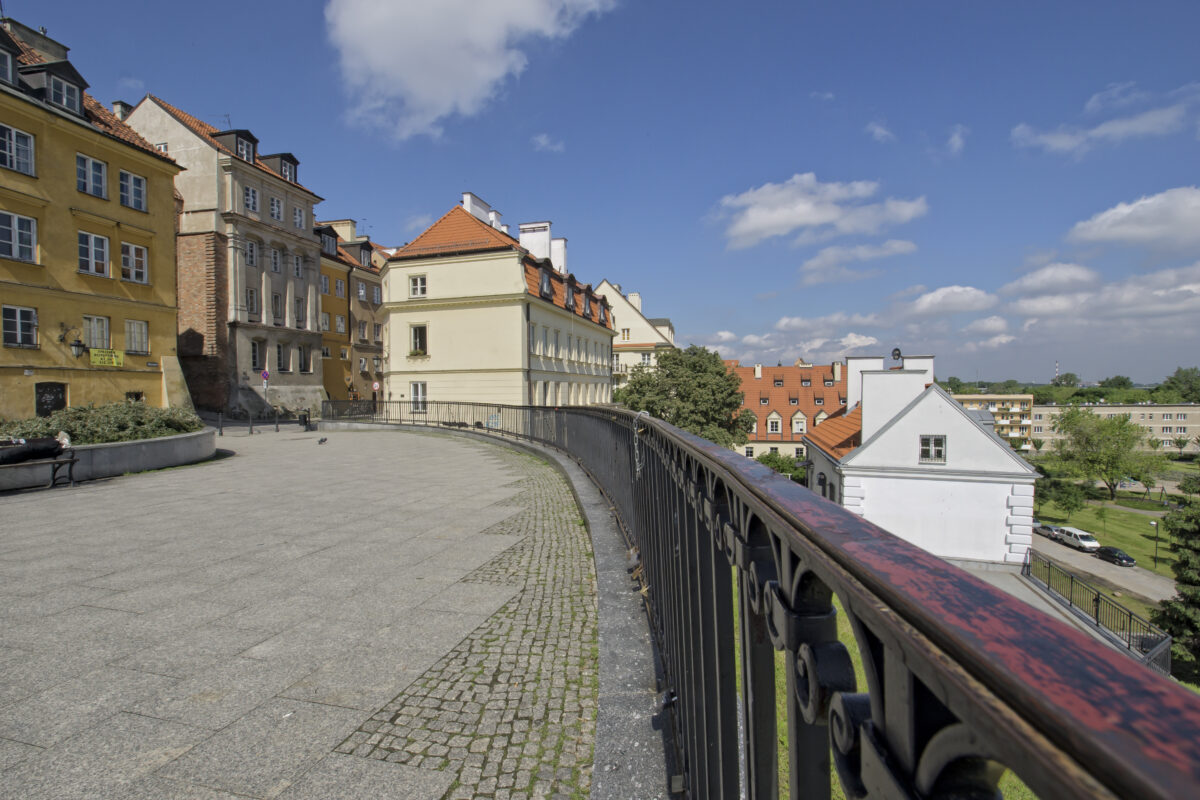
From Rubbish Dump to Scenic Viewpoint
The name Gnojna Góra can be roughly translated as „Dung Hill” or „Garbage Hill”, and the name is remarkably literal.
For centuries, residents of Warsaw disposed of their waste on the edge of the escarpment overlooking the Vistula. As rubbish accumulated, it gradually formed a large mound extending towards the river. Over time, the constantly growing pile of waste became a distinctive feature of the city’s landscape. What is now a pleasant Warsaw viewpoint was once one of the city’s least pleasant places. And judging by the smell, the residents of medieval and early modern Warsaw certainly knew it.
A Very Smelly Part of Warsaw
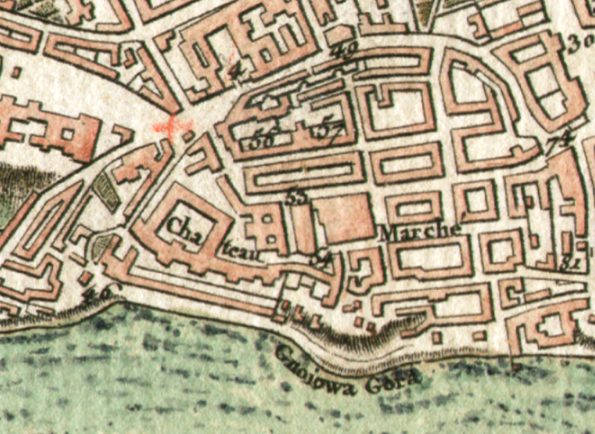
Gnojna Góra was not exactly a desirable neighbourhood attraction. The smell must have been difficult to ignore, affecting both wealthy and poorer residents of the Old Town. But where one person saw a problem, another saw an opportunity.
The accumulated waste could be turned into valuable fertiliser. It was used to improve the soil in gardens around Warsaw, creating a profitable little industry. For a time, people could even buy the fertiliser directly from the hill.
It’s a good reminder that urban life in historical Warsaw was considerably less glamorous than the beautifully restored Old Town we see today.
Trying to Control the Garbage Mountain
As the city grew, authorities increasingly tried to control the problem.
Measures were taken to prevent waste from sliding down the escarpment and reaching the Vistula. The rubbish dump was gradually covered with grass and efforts were made to move waste farther away from the densely populated city. During the reign of King Stanisław August (18th century), particular attention was paid to stopping waste from reaching the river. Eventually, the old dump was brought under control and the area began to take on a very different character. The enormous pile of rubbish slowly became part of the historic landscape of Warsaw Old Town.
Gnojna Góra Becomes Part of Warsaw’s Panorama
Interestingly, the rubbish dump did not disappear from the city’s visual identity – quite the opposite! As the mound grew, it became a recognizable feature of Warsaw and appeared in historical views and panoramas of the city. Artists and mapmakers included it in depictions of Warsaw, meaning that this unpleasant pile of urban waste became, somewhat ironically, a permanent part of the city’s image.
From Rubbish Dump to Architecture
The story of Gnojna Góra took another turn in the interwar period.
In the 1920s and 1930s, a huge residential complex belonging to the Postal Savings Bank (Pocztowa Kasa Oszczędności) was constructed on the promontory. The buildings were destroyed during World War II. After the war, the site was transformed once again. This time, instead of a rubbish dump or a monumental residential complex, Warsaw gained a viewing terrace overlooking the Vistula. And that is essentially the Gnojna Góra we know today.
A Hidden Gem in Warsaw Old Town
Gnojna Góra is a perfect example of how Warsaw history can be surprisingly layered.
At first glance, it is simply a pleasant viewpoint in the Old Town. Look across the river and you can see the Praga district, the Vistula and parts of the city’s eastern bank.
But underneath this picturesque landscape is a completely different story: centuries of rubbish, unpleasant smells, fertiliser merchants, attempts to control urban waste and the transformation of an unwanted dumping ground into one of Warsaw’s best-known viewpoints.
For travellers looking for hidden gems in Warsaw, this is precisely the kind of place worth knowing about.
A good Warsaw guide can turn a five-minute photo stop into a fascinating story about how the city developed, how people lived in the past and how dramatically Warsaw’s relationship with the Vistula has changed.
Warsaw has transformed its former mountain of rubbish into a viewpoint.
Not a bad piece of urban recycling!