
Gnojna Góra – One of Warsaw’s Most Unusual Viewpoints
2026-09-03
Kronenberg Palace: The Warsaw Palace That Disappeared
2026-09-19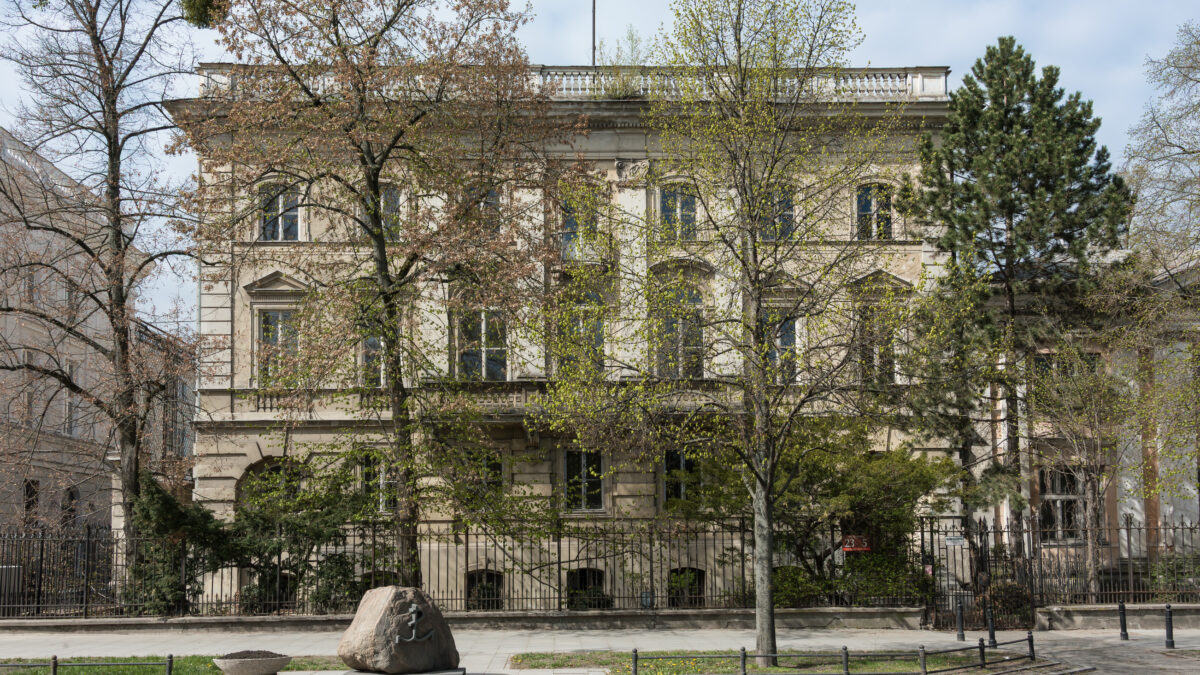
Gawroński Villa and Its Architecture
The villa was built between 1923 and 1924 to a design by architect Marcin Weinfeld.
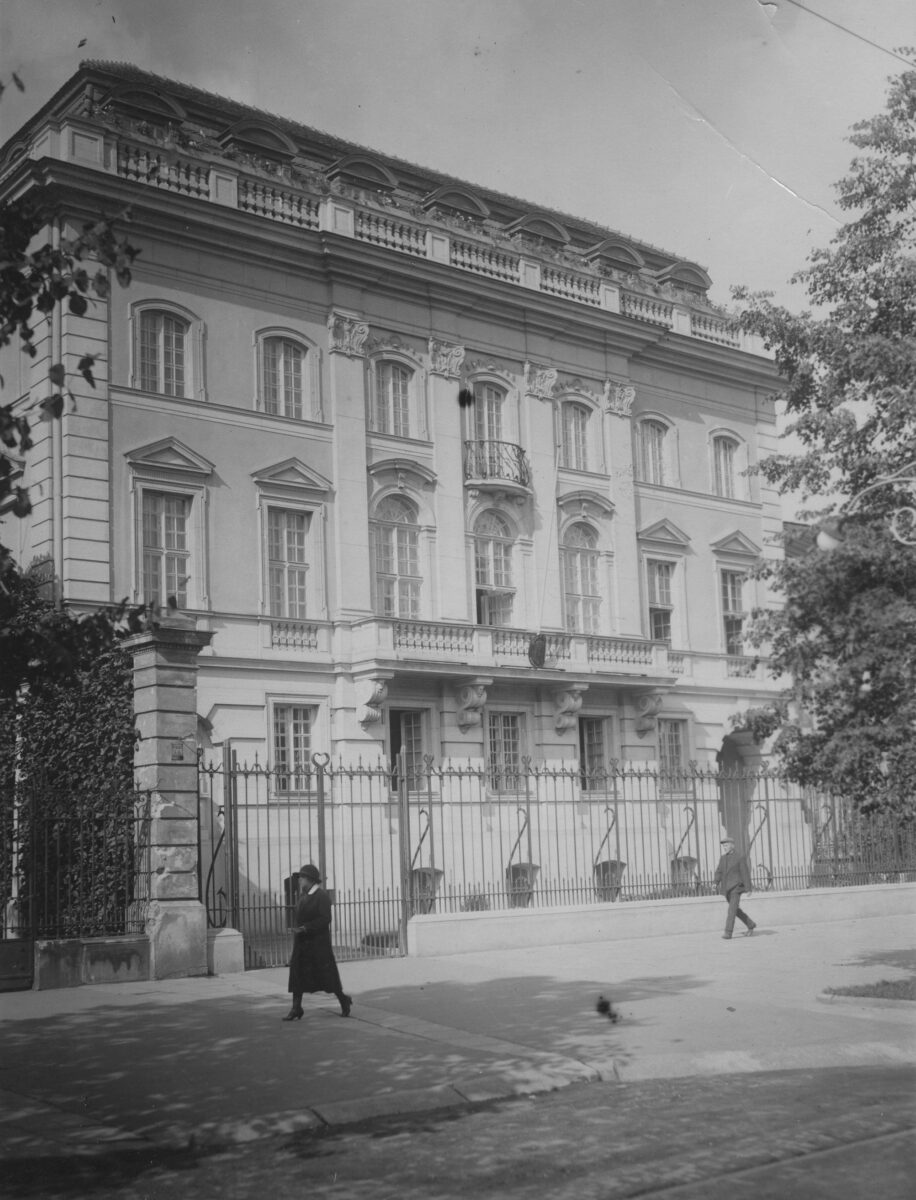
Its architecture represents the urban neo-Baroque style popular in Warsaw during the interwar period. The building was designed on a generous scale, with a symmetrical front façade set behind a small garden.
Inside, Weinfeld created an equally impressive spatial arrangement. One of its most distinctive features is the oval staircase, which forms the centrepiece of the grand interior. The original design also included a winter garden.
The villa was designed so that it could accommodate a variety of institutional uses, which helps explain its relatively functional internal layout despite its imposing appearance.
Its location was no coincidence. Ujazdowskie Avenue was – and remains – one of the most prestigious streets in Warsaw, lined with palaces, villas, embassies and government buildings.
For visitors exploring the city with a knowledgeable Warsaw guide, the avenue itself offers an excellent introduction to the architectural and political history of the capital.
A Diplomatic Address in Interwar Warsaw
During the 1930s, the Gawroński Villa served diplomatic purposes. It housed the Belgian Legation from 1934 and, for a time, the Dutch Consulate, reinforcing the prestigious character of both the building and its address.
This was an era in which Ujazdowskie Avenue was becoming one of the most elegant parts of Warsaw. Aristocratic residences stood alongside diplomatic missions and prominent public buildings, creating a distinctive urban landscape. Many of these buildings would later bear witness to the destruction of Warsaw during the Second World War.
The Second World War and the Destruction of the Villa
During the German occupation, the villa housed the headquarters of the SS and Police Leader for the Warsaw District. It was badly damaged later in the war, primarily by fire, and around 70% of the historic structure was destroyed. Like much of Warsaw, the building required extensive reconstruction after 1945.
The reconstruction was carried out according to plans prepared by Helena Weinfeld and Szymon Syrkus. The restored building was not an exact replica of the original.
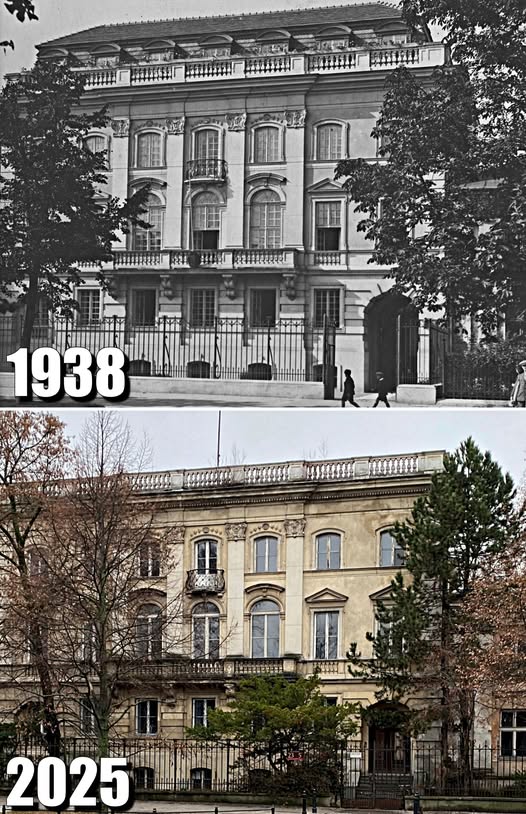
The mansard roof was removed, some of the original windows and doors were simplified, and parts of the interior layout were altered.
These changes reflected post-war architectural thinking and the priorities of the Warsaw Reconstruction Office (Biuro Odbudowy Stolicy).
This is an important part of the story of Warsaw architecture: reconstruction did not always mean faithfully recreating what had been destroyed. In many cases, architects adapted historic buildings to the aesthetic and functional ideas of post-war Poland, as well as to the economic and political realities of the time.
From the American to the Yugoslav Embassy
In 1948, the restored building was handed over to the United States Embassy, which remained there until 1953. The villa was later connected to the neighbouring Śleszyński Palace and became part of the premises of the Yugoslav Embassy.
Following the political changes in the Balkans, the complex was used by the Embassy of Serbia. The former Gawroński Villa served administrative purposes, while the ambassador’s residence was located in the neighbouring building.
Today, the villa serves as the Warsaw home of the Visteria Foundation and hosts exhibitions and cultural events. Plans for the property include its revitalisation and the creation of a new private museum of art and design.
The Operation Kutschera Memorial Nearby
The history of the Gawroński Villa is also closely connected with one of the most famous operations carried out by the Polish resistance in occupied Warsaw.
On 1 February 1944, just outside the building, soldiers of the Home Army’s special operations unit Pegaz – later renamed the Parasol Battalion – carried out Operation Kutschera. Their target was Franz Kutschera, the SS and Police Leader for the Warsaw District, who was responsible for a brutal campaign of terror against the population of occupied Warsaw. Kutschera was killed in the operation.
Today, a granite memorial stone stands beside Ujazdowskie Avenue, marking the site and commemorating the action.
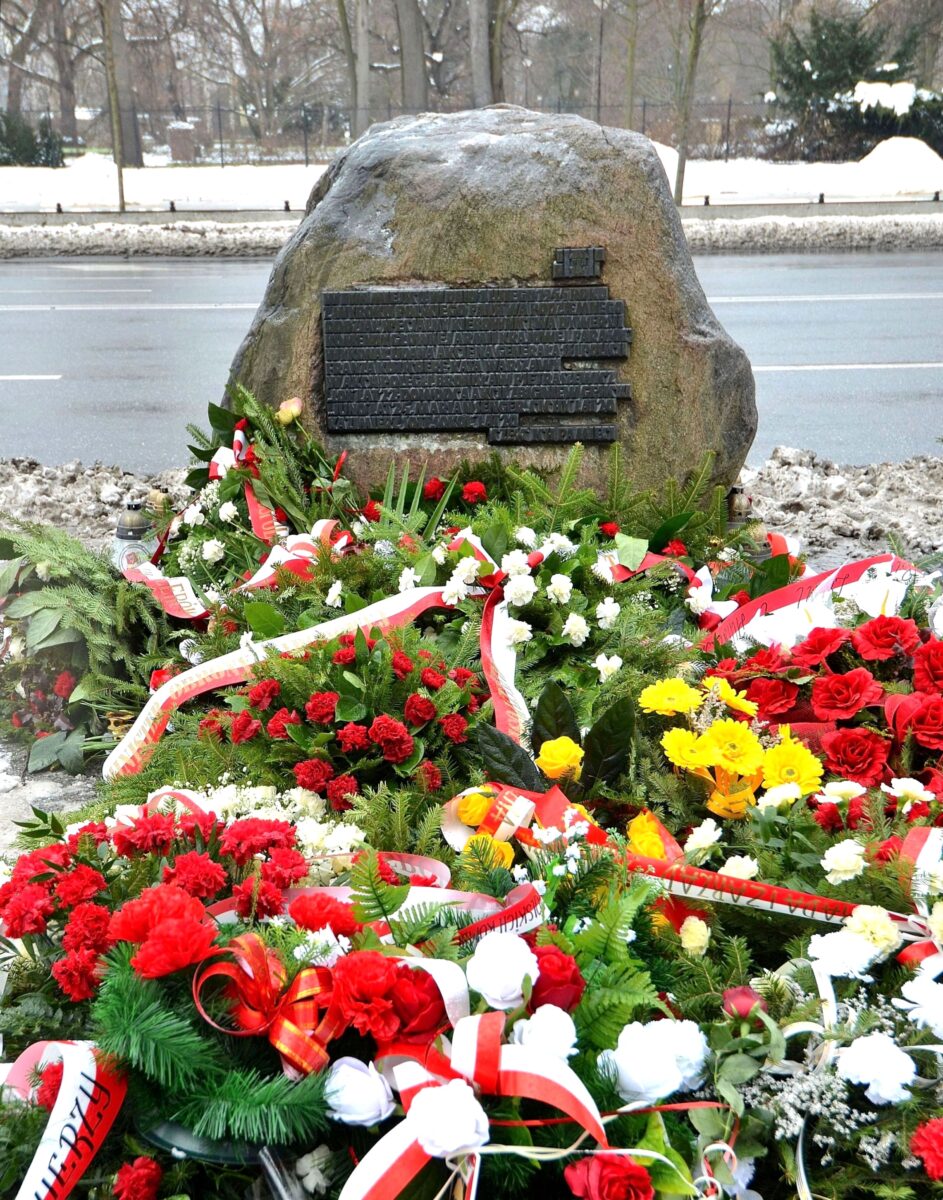
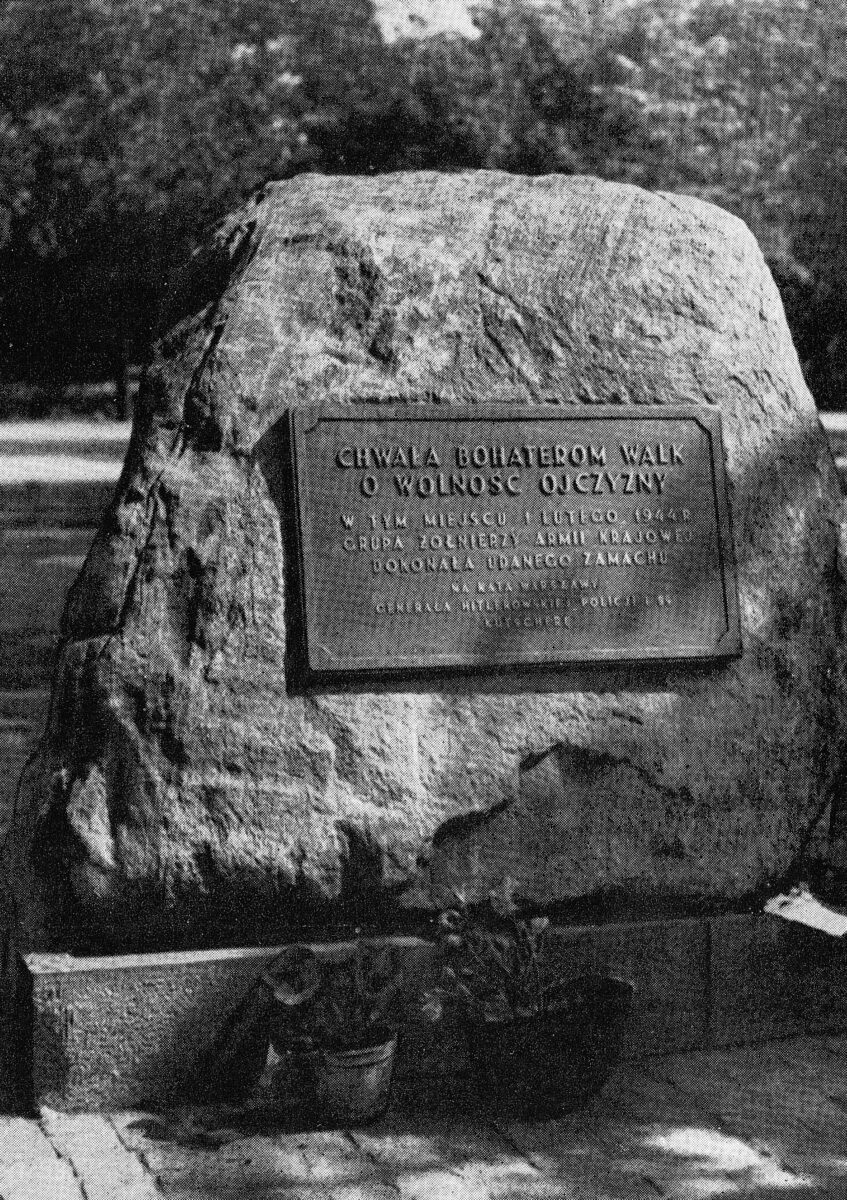
For visitors interested in Warsaw’s Second World War history and the Polish resistance, this small memorial is another reminder that elegant Ujazdowskie Avenue was once a dangerous and heavily militarised part of occupied Warsaw.
Polish Modernism Comes to the Gawroński Villa
In 2026, the historic villa provides the setting for an exhibition devoted to one of the most fascinating chapters in Polish cultural history:
Polish Modernism: The Struggle for Beauty.
The exhibition looks at Polish modernism from an unusual perspective.
Modernism was meant to represent progress, technological development and a new way of living. Polish designers and architects, however, often worked under very different conditions from their counterparts in Western Europe.
Throughout much of the 20th century, Poland experienced shortages of materials, limited access to technology, political upheaval and the consequences of war.
Rather than treating these limitations solely as obstacles, Polish designers frequently turned them into opportunities for experimentation.
They worked with locally available materials – including wood, linen, hemp, wood shavings and other inexpensive or unconventional materials – to create objects intended not only to meet practical needs but also to improve everyday life.
This tension between scarcity and ambition, function and form, local traditions and European modernity lies at the heart of the exhibition.
What Was Polish Modernism?
Polish modernism was never a single, uniform style.
It encompassed functionalist architecture, experimental furniture, industrial design, sculpture, graphic design and avant-garde art. Some designers embraced simplicity and functionality; others experimented with colour, form, materials and sculptural shapes.
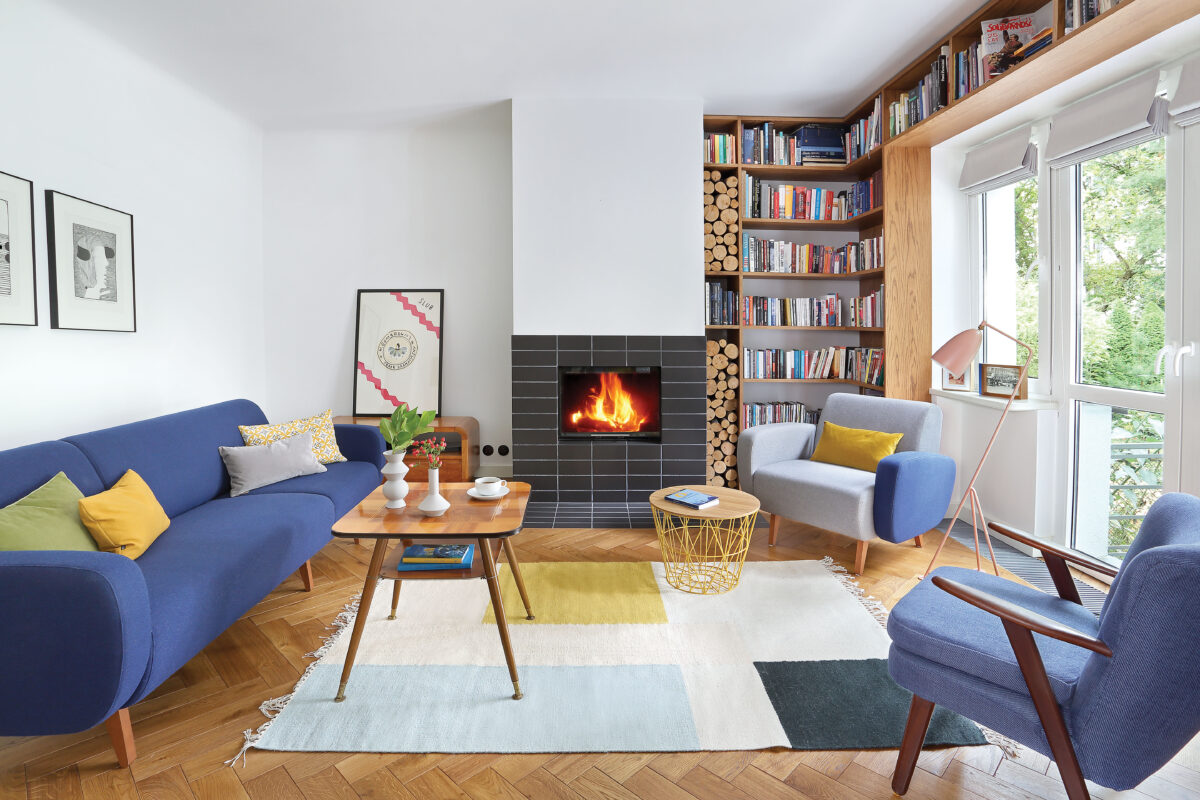
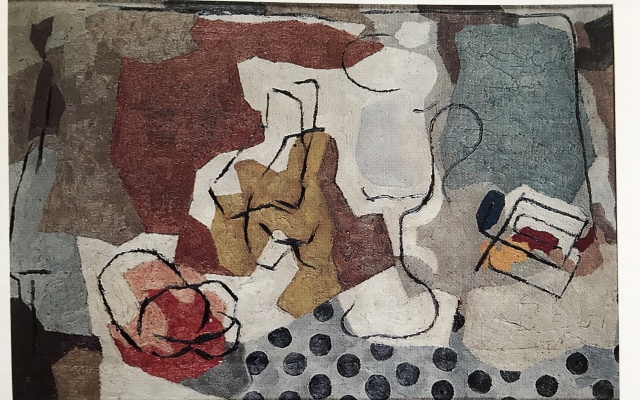
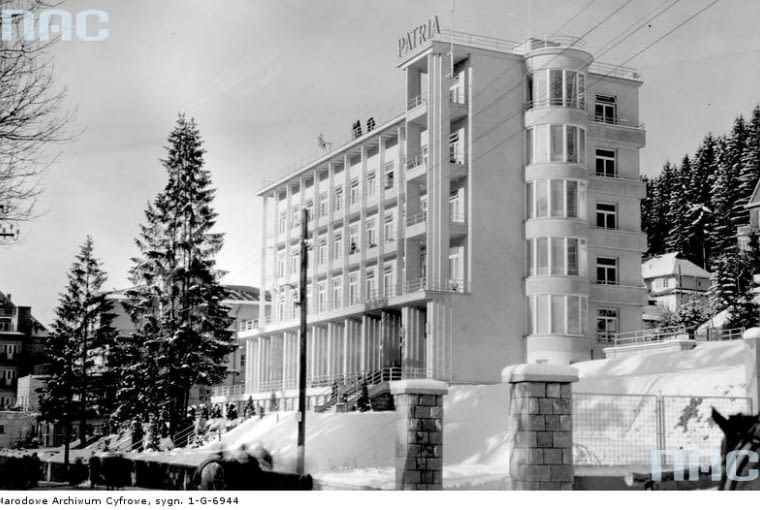
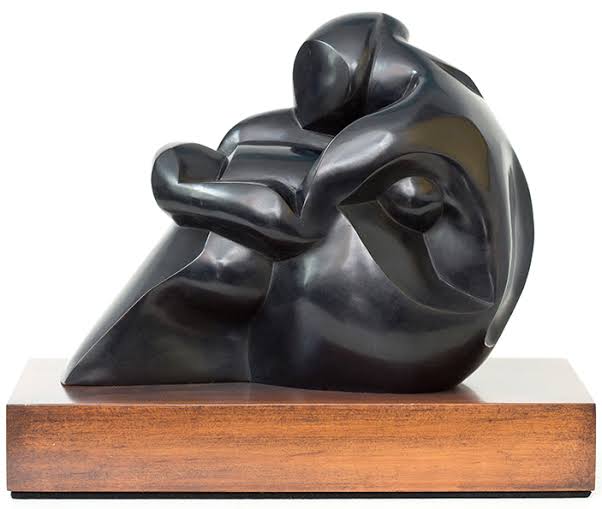
The exhibition therefore presents modernism not simply as an architectural style, but as a way of thinking about people, materials, technology and the future.
The artists and designers represented include Bohdan Lachert, Jan Kurzątkowski, Teresa Kruszewska, Maria Chomentowska, Julia Keilowa, Roman Modzelewski, Władysław Wincze, Zbigniew Horbowy, Wojciech Zamecznik, Aleksander Kuczma, Katarzyna Kobro, Władysław Strzemiński and Edward Krasiński.
From Design to Art
The Warsaw edition of the exhibition goes beyond furniture and industrial design. Works by artists including Katarzyna Kobro, Władysław Strzemiński and Edward Krasiński broaden the narrative and demonstrate the close relationship between modern art, architecture and design. The Warsaw presentation also includes works by Erna Rosenstein, Maria Jarema and Jerzy Nowosielski that were not part of the original exhibition in Milan.
This combination of art, architecture and design is particularly appropriate for the Gawroński Villa itself. The building becomes part of the exhibition: its historic neo-Baroque architecture is deliberately juxtaposed with the language of modernism, while its interiors are transformed by the exhibition design.
From Milan to Warsaw
The exhibition was first presented during Milan Design Week 2026 by the Visteria Foundation.
The Warsaw edition is not simply a repeat of the Milan presentation. It has been adapted specifically for the Gawroński Villa, with new scenography by Zofia Wyganowska Studio.
Even the exterior of the building becomes part of the concept. The historic façade is covered with green construction mesh reminiscent of the protective netting used during renovation work. It both refers to the conditions in which Polish modernism developed and hints at the building’s future: the planned revitalisation of the villa and the creation of a new private museum of art and design.
The Struggle for Beauty
The title of the exhibition refers to a 1948 text by Polish writer and journalist Irena Krzywicka.
“The Struggle for Beauty” was not simply about aesthetics, but about the quality of everyday life and the belief that art, architecture and design could help create a modern society.
This idea is particularly relevant when considering Polish modernism today. Modernist designers believed in industry, mass production and technological progress. Contemporary society, however, faces a different problem: not scarcity, but often an excess of products and materials.
The exhibition therefore raises questions that remain remarkably relevant. How long should the things we design last? What materials should we use? What do we actually need? And can good design improve our lives without producing more unnecessary objects?
Visiting the Exhibition
Polish Modernism: The Struggle for Beauty is presented at the Gawroński Villa in Warsaw from 2 September to 11 October 2026.
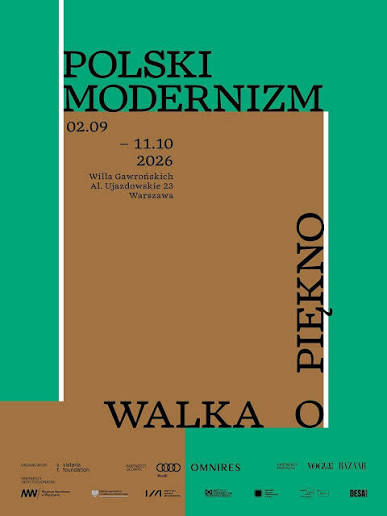
The exhibition is open Wednesday to Sunday, from 12:00 to 19:00. Admission is free, but advance registration is required.
For travellers interested in Warsaw architecture, Polish design and modern art, it offers a fascinating combination of a remarkable historic setting and an ambitious exhibition.