

Hotel Polonia – A Mirror of 20th-Century Warsaw
2026-02-01
The Warsaw Escarpment
2026-03-26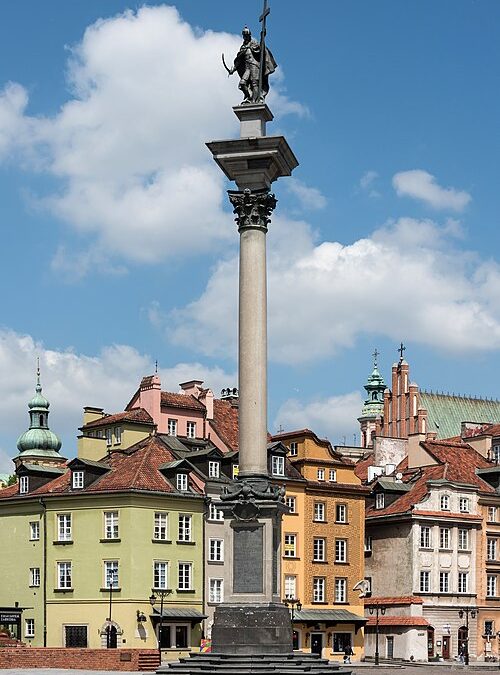
Three Monuments, Two Columns, One Fountain
Let’s meet the stars of today’s story:
Sigismund’s Column, the undisputed symbol of Warsaw
The Millennium of Polish Cavalry Monument, featuring two riders from different eras
The Marconi Fountain, which somehow survived everything history threw at it
Sigismund’s Column – Just a Step to the Side
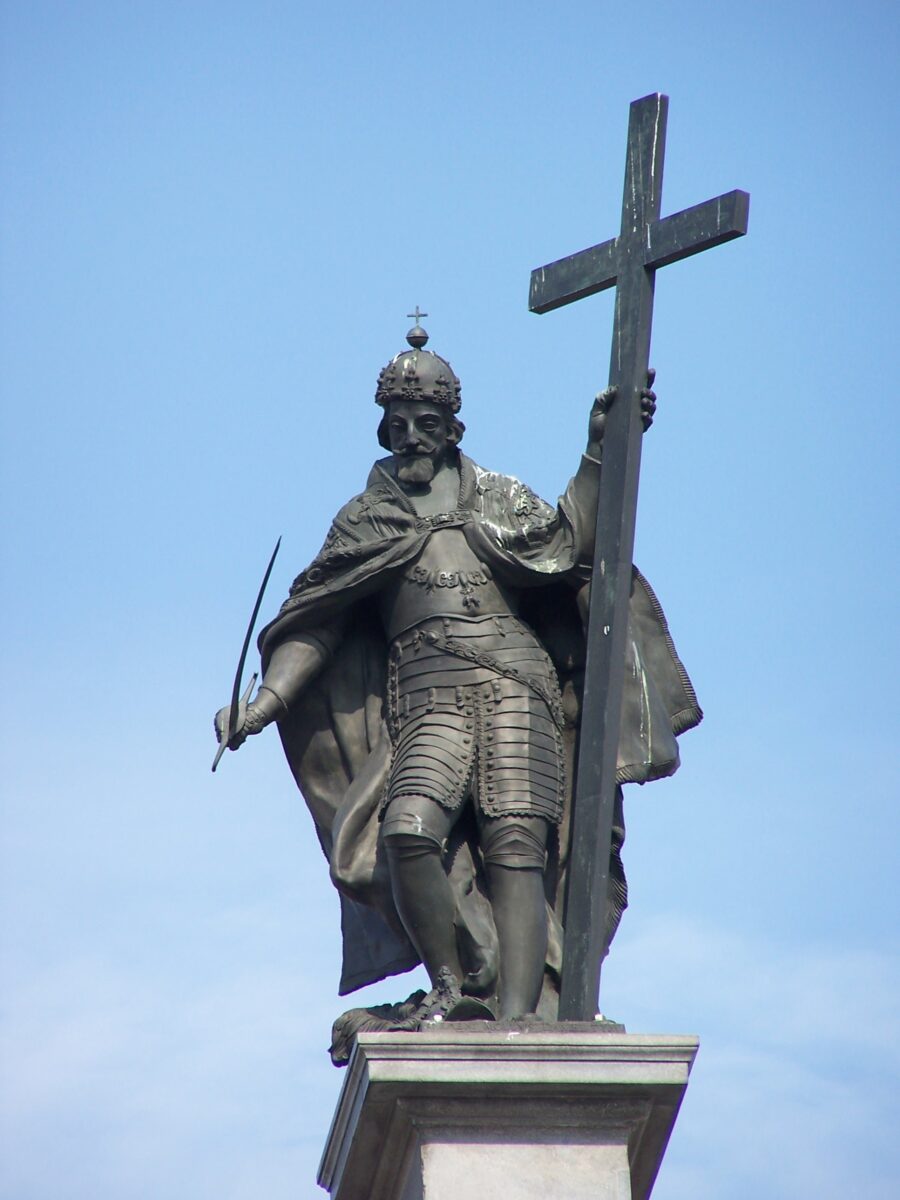
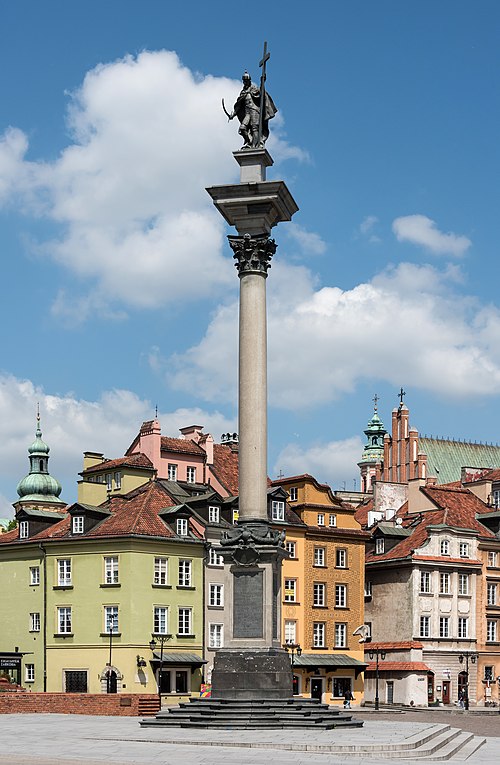
At first glance, it seems obvious that Sigismund’s Column has stood in the same place since 1644. Over the centuries, Bernardine Suburb turned into Castle Square, fountains and greenery appeared, and the surroundings changed, but king Sigismund III Vasa stood firm. Until 1949.
During the construction of the W-Z Route, Warsaw’s major east–west artery, the entire column (statue included) was shifted six meters to the north-east. A small distance on foot, a massive engineering operation in reality. Today, when your Warsaw guide points this out on Castle Square, it suddenly feels like the king quietly stepped aside to let modern Warsaw pass.
The Cavalry Monument That Turned Around
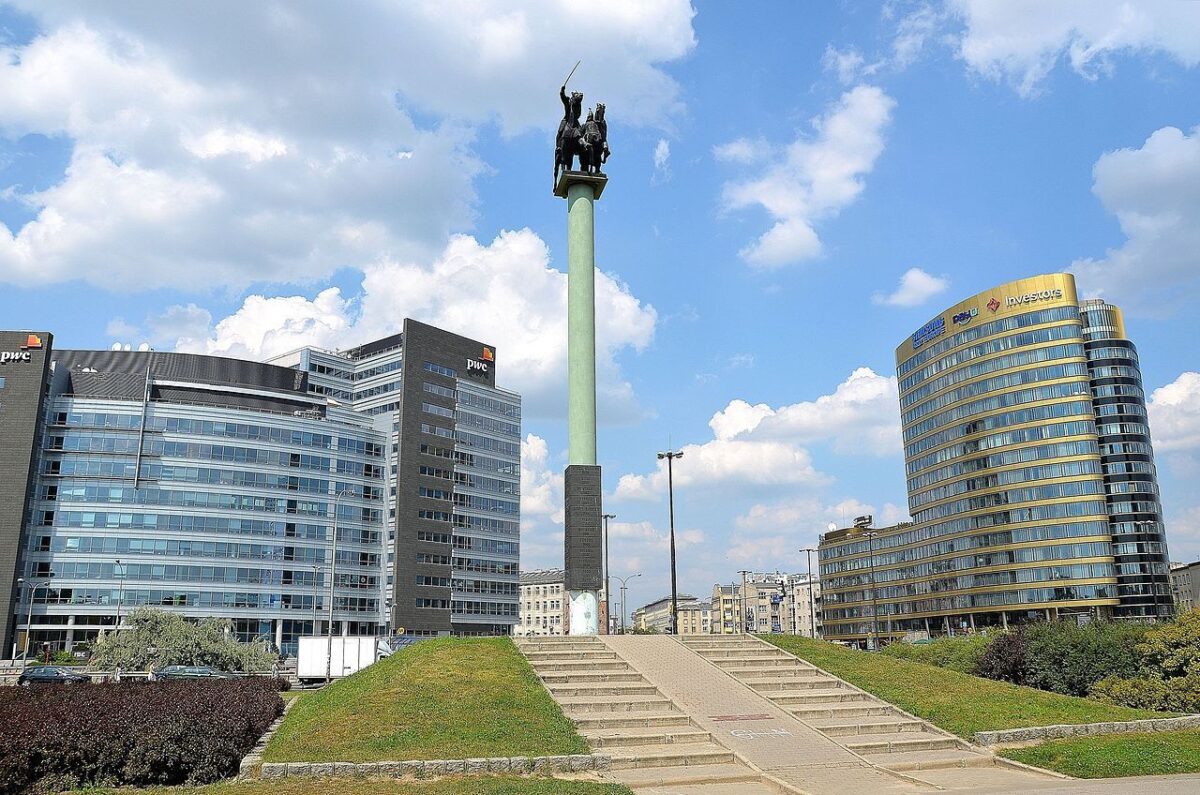
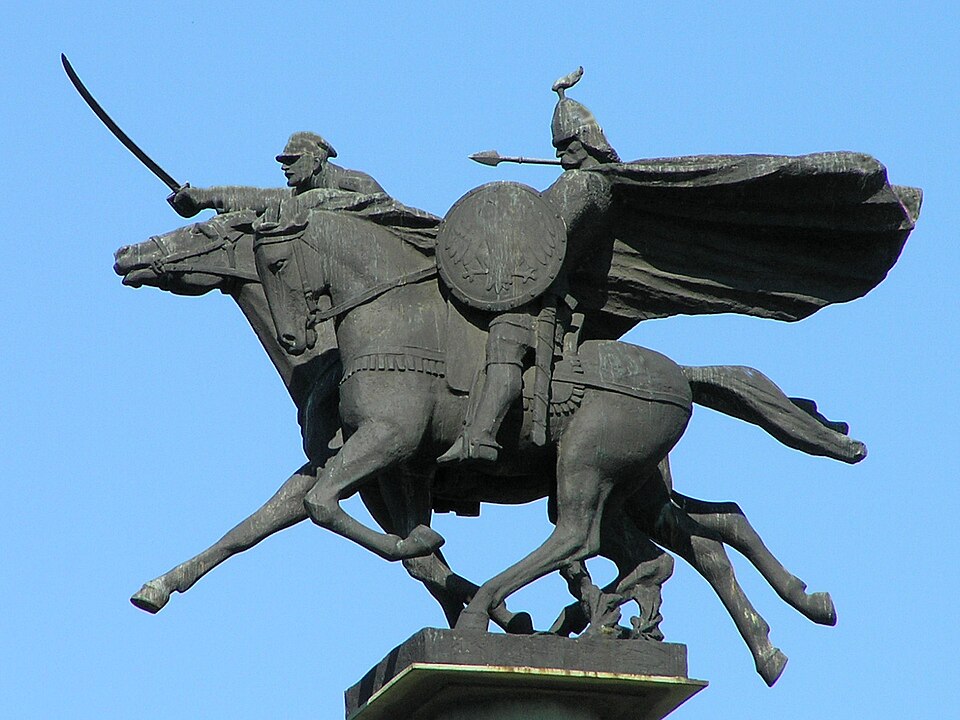
No other monument in Warsaw has experienced a transformation quite like the Millennium of Polish Cavalry Monument. Standing 16 meters tall, it depicts two mounted warriors from different historical periods, placed atop a column. The artist himself decided how the figures should be oriented according to the cardinal directions.
There was just one problem.
When the monument was unveiled in 1994 near Rondo Jazdy Polskiej, it turned out that most pedestrians and drivers were admiring… the horses’ backsides. Warsaw residents were not amused.
The complaints were so persistent that in 2016 the city authorities decided to act. The monument was rotated 135 degrees, and since 2018, passers-by can finally admire the stern, heroic faces of the galloping riders – exactly where a walking tour Warsaw audience expects them to be.
The Fountain That Had Luck on Its Side
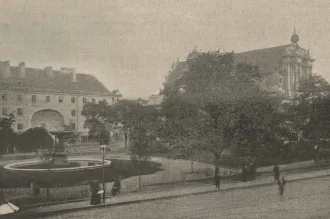
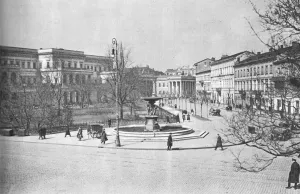
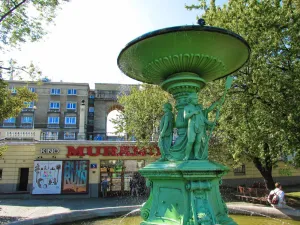
To end on a gentler note, let’s talk about a fountain that truly had luck on its side.
This elegant cast-iron fountain was created in the mid-19th century as part of Warsaw’s modern water supply system designed by Henryk Marconi. His pipes delivered water to buildings, wells, and five city fountains:
- the Old Town Market Square under the Mermaid statue,
- Castle Square beneath Sigismund’s Column,
- Theatre Square,
- the Saxon Garden,
- and Krakowskie Przedmieście.
Our heroine here is the last one, designed by Leandro Marconi. It shows three boys holding an oar, a trident, and a fish, standing beneath a bowl overflowing with water.
Its good fortune lies in the fact that it was never destroyed, which, knowing that more than 80% of Warsaw was ruined during the World War 2, is a real strike of luck.
Originally placed at today’s Hoover Square, it had to make room in 1910 for the Adam Mickiewicz monument. After a long stay in storage, it reappeared at Bank Square, where it survived both world wars unscathed.
In the 1950s, history repeated itself. This time, the fountain gave way to the monument of Feliks Dzierżynski. And so it moved again – to its current location in front of the Muranów cinema on General Anders Street, where it quietly splashes to this day.
For anyone exploring the city with a Warsaw guide, it’s a perfect stop on a walking tour of Warsaw: a place where the city’s ambitions, traumas, and resilience are written not in textbooks, but in walls, corridors, and chandeliers.
Why These Stories Matter on a Warsaw Tour
Warsaw is famous for destruction and reconstruction – but these stories show something subtler: adaptation.
Monuments don’t always vanish. Sometimes they step aside. Sometimes they turn around. Sometimes they simply wait patiently for their next address.
For visitors exploring the city with a Warsaw guide, these restless monuments add humor, humanity, and a sense of continuity to any walking tour of Warsaw. They remind us that even stone and bronze must occasionally adjust to the rhythm of the city.