
Kubicki Arcades – Warsaw’s Hidden Street Beneath the Royal Castle
2025-12-15
Restless Monuments of Warsaw
2026-02-15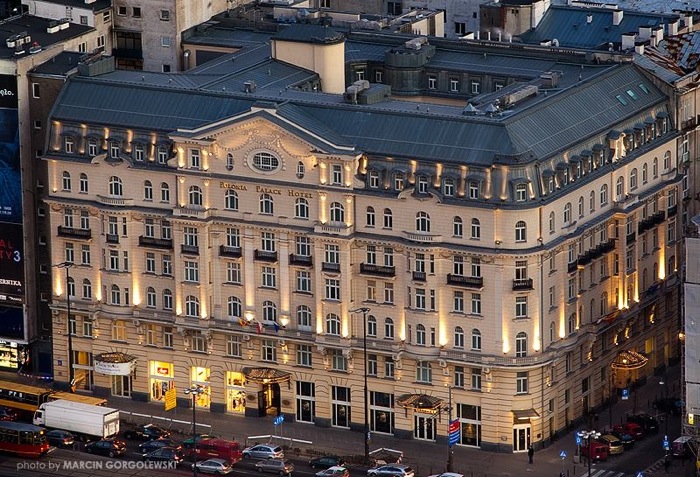
Chapter One: From Opening to the Outbreak of War
Hotel Polonia opened its doors in 1913, at a time when Poland did not yet exist as an independent state. The name Polonia was a powerful declaration – a reference to a nation that, despite lacking statehood, remained united and patiently awaited rebirth.
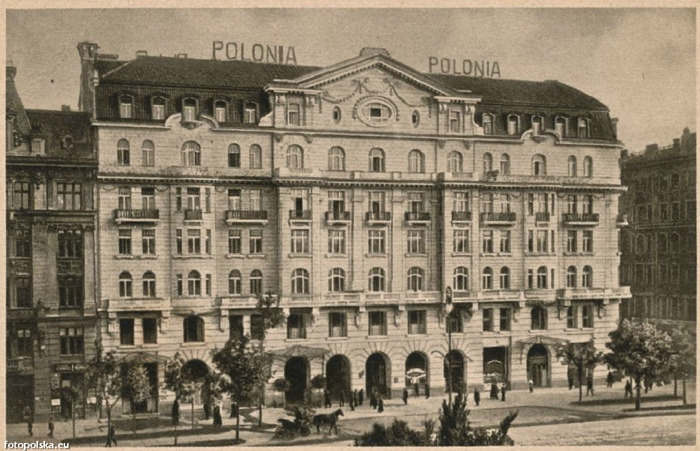
From the very beginning, the hotel was meant to be elegant, exclusive, and thoroughly modern. At the time, elegance had one address: Paris. Everything at Hotel Polonia was designed to make guests feel as if they had stepped into the French capital – from the façade, through Louis-style furniture, to French-speaking staff.
Modernity was not just a slogan. A surviving hotel brochure proudly advertised cutting-edge amenities and standards that placed Polonia among the most advanced hotels in Europe.
Before World War II, the hotel became a social and political hotspot. It hosted members of the political elite, artists, and international guests – including the King of Afghanistan. Warsaw’s high society gathered here, and it was within these walls that the very first Miss Polonia beauty contest took place.
Chapter Two: War
During World War II, Hotel Polonia was requisitioned by German officers. During the Warsaw Uprising of 1944, Polish insurgents took over the building and transformed it into a hospital and supply base. The Germans, caught off guard, left behind fully stocked food warehouses – a rare stroke of luck in a starving city.
The building survived the war almost miraculously. Just before the Red Army entered Warsaw, former hotel employees managed to barricade the building, saving the original interiors from looting and destruction. Thanks to their courage and foresight, much of the historic décor survived intact.
Chapter Three: The Post-War Years
Soon after the war ended, Hotel Polonia reopened – welcoming not only travelers but also serving as the headquarters of several foreign embassies at the same time.
According to communist-era propaganda, four types of people could be found in the hotel:
- Those doing everything possible to leave a struggling country,
- Foreign journalists spending their entire stay in the hotel bar, staring at the ruins of Warsaw,
- Foreign ambassadors,
- And local “ambassadresses” looking for a suitable husband.
The hotel hosted banquets for delegations from socialist countries and played a surprising cultural role. In the 1950s, during the International Chopin Piano Competition, the entire sixth floor was cleared of furniture and filled with grand pianos — turning hotel rooms into temporary rehearsal studios.
Over time, the building underwent gentle renovations and eventually came under the management of the Warsaw tourism company Syrena, which still operates the hotel today. Even now, curious visitors can admire its interiors via Google Street View.
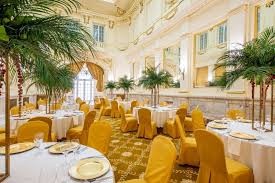
For anyone exploring the city with a Warsaw guide, it’s a perfect stop on a walking tour of Warsaw: a place where the city’s ambitions, traumas, and resilience are written not in textbooks, but in walls, corridors, and chandeliers.