
The Przebendowski Palace – A Survivor in the Heart of Warsaw
2025-12-09
Hotel Polonia – A Mirror of 20th-Century Warsaw
2026-02-01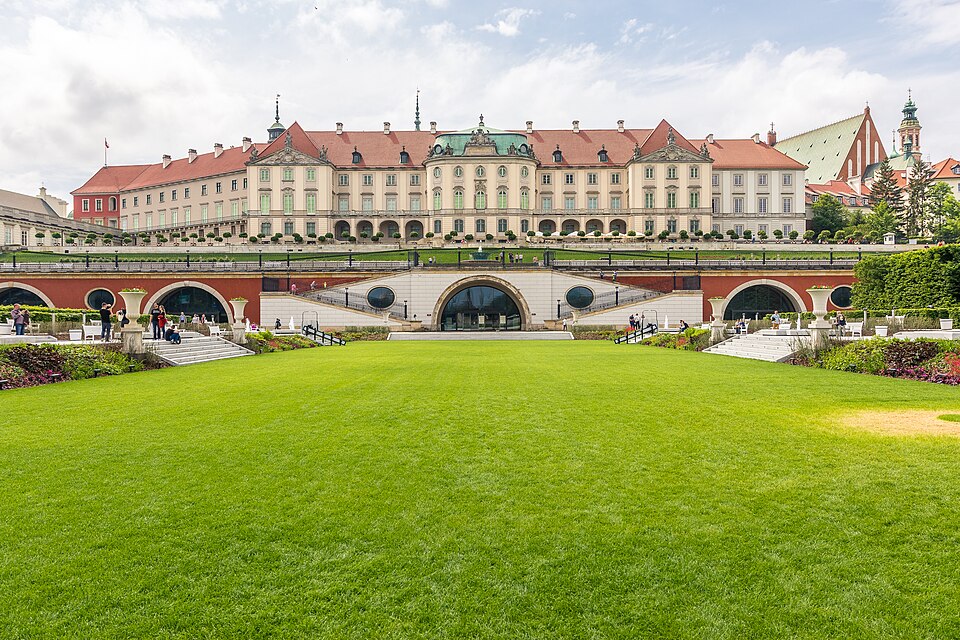
The Only Part of the Castle That Survived the War
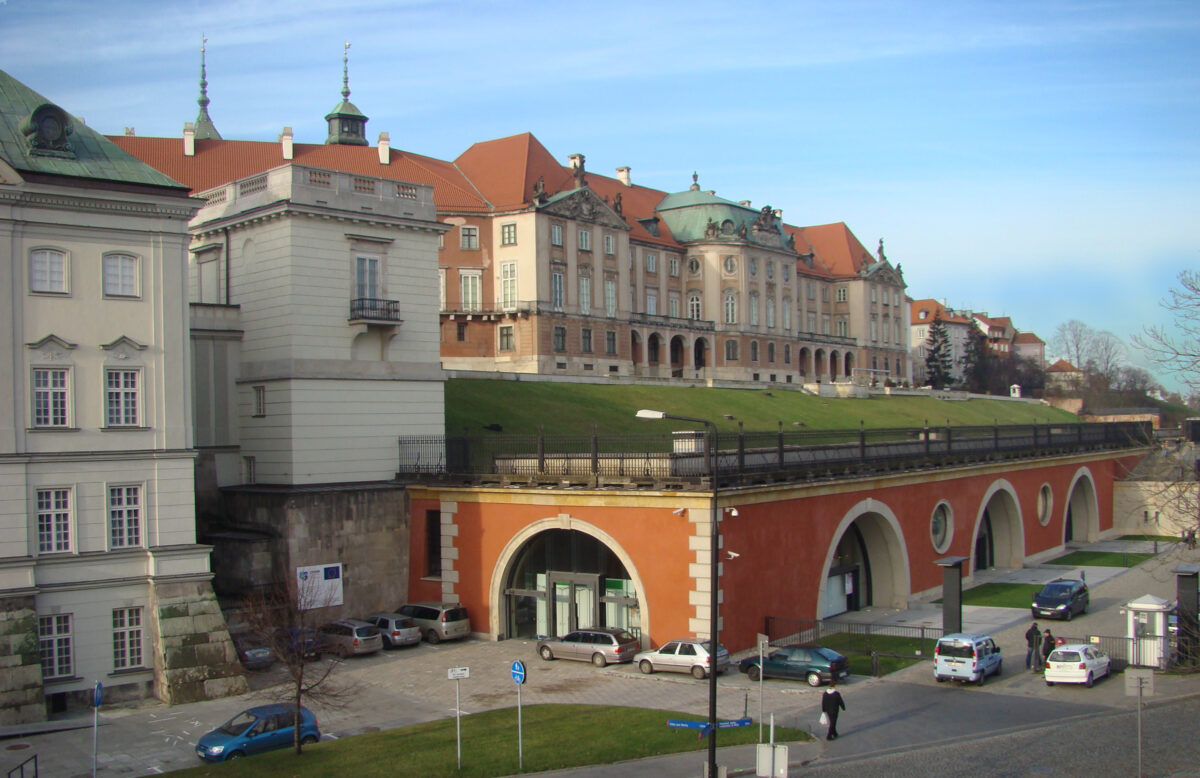
The Kubicki Arcades are the only surviving fragment of the Royal Castle complex that lived through World War II. While the Castle itself lay in ruins, the Arcades remained standing – a silent witness to destruction all around. Hidden behind their walls are even traces of the earliest inhabitants of the Royal Castle, from early 17th century.
Who Was Kubicki?
The Arcades take their name from Jakub Kubicki, an architect who, in the early 19th century, planned a grand reconstruction of the Royal Castle. Most of his ambitious vision never left the drawing board and the Arcades are the only realized fragment of that plan.
They were not constructed as a freestanding building. Kubicki ingeniously “attached” them to existing 18th-century servants’ quarters and warehouses, which themselves leaned against fortifications dating back to the Vasa dynasty (early 17th century). Warsaw’s architecture, literally built in layers.
Built for Movement
Completed in 1827, the Kubicki Arcades served three essential purposes:
- they reinforced the escarpment beneath the Royal Castle,
- they provided stair access between the upper Castle Gardens and the areas by the Warsaw Vistula,
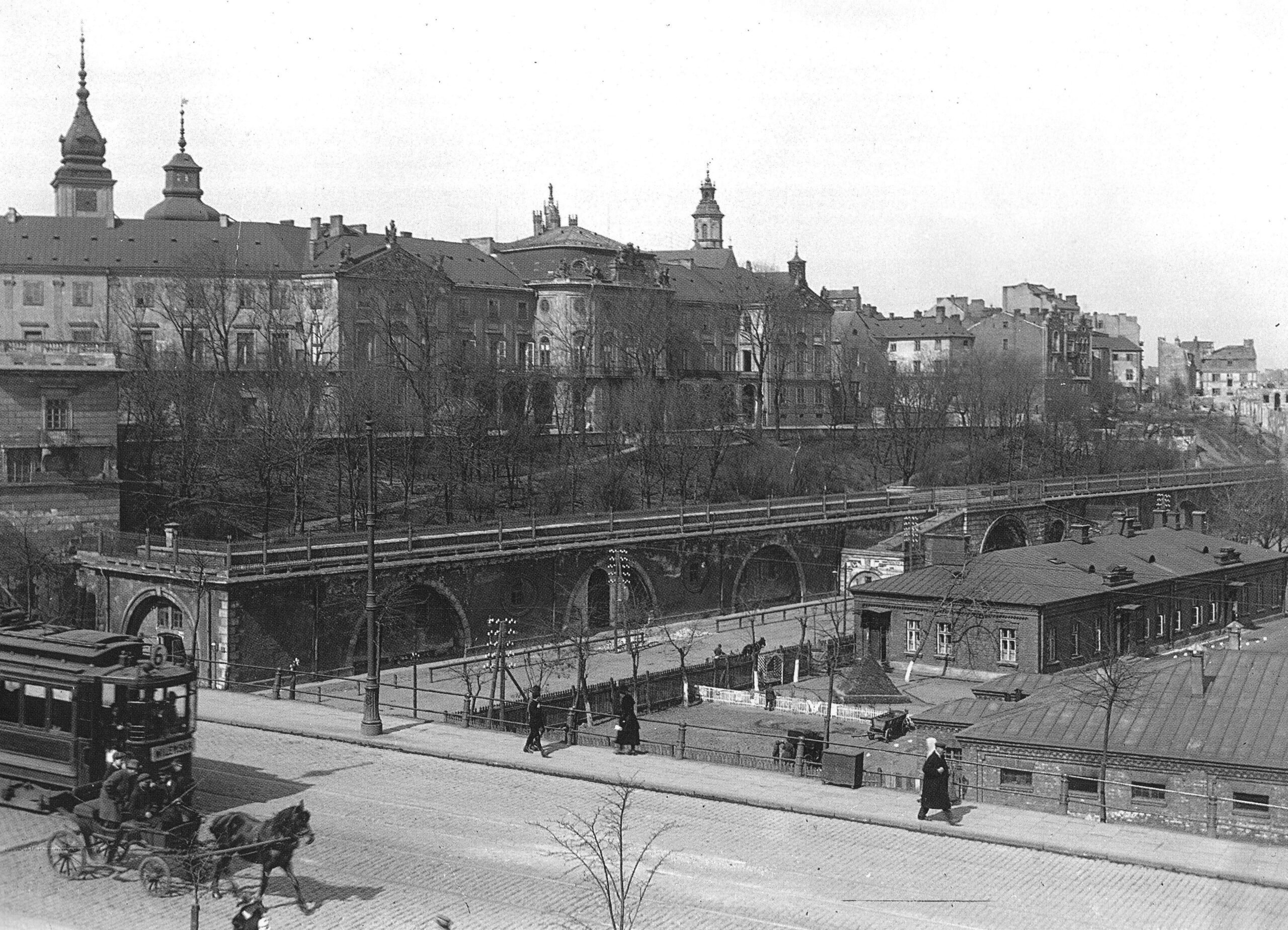
- and they created a comfortable, weather-protected passage between the New Town and Mariensztat, roofing what was then Boczna Street below.
For a brief moment, Warsaw enjoyed a covered street in a direct neighborhood of the Royal Castle.
A Short Life as a Public Space
Sadly, the covered street didn’t last long. After the November Uprising of 1831, the Arcades were converted into tsarist stables for the Russian army. The elegant covered street disappeared under hooves and uniforms – a fate Warsaw knows all too well.
From Ruins to Revival
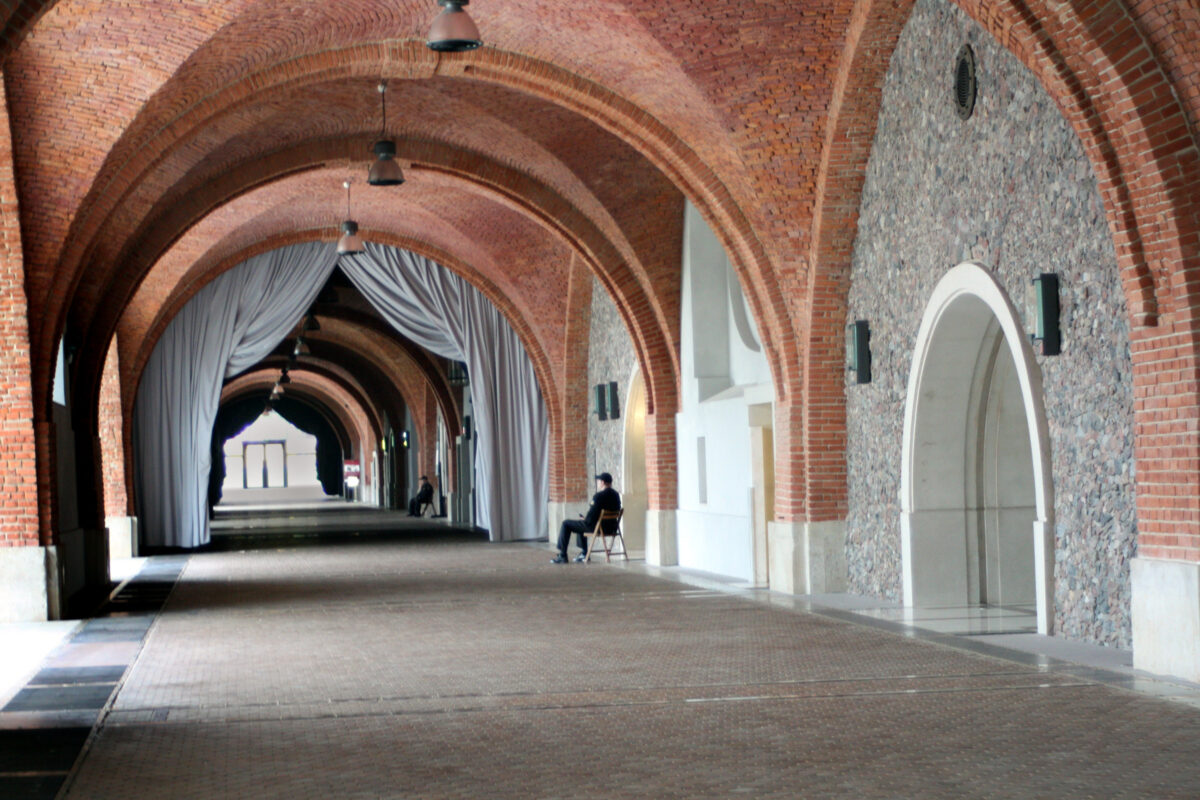
Between 1995 and 2009, the Kubicki Arcades underwent a comprehensive restoration. Today, they can be visited during exhibitions, cultural events, and special tours. They make a striking impression. Vaulted brick ceilings, rhythmical arches, dramatic light: it’s one of the most atmospheric interiors in the city.
Hard to say whether 19th-century Varsovians strolling along Boczna Street beneath the Arcades felt the same sense of awe, but they certainly walked somewhere extraordinary.
Why You Should Include the Arcades on a Warsaw Tour
For travelers discovering the city on a walking tour of Warsaw, the Kubicki Arcades are a perfect stop:
architecture, urban planning, royal ambition, military history, wartime survival, and modern revival – all in one place.
Add the proximity to the Vistula, the Castle Gardens, and the Warsaw Old Town, and you get a stop that fits beautifully into any thoughtful itinerary led by a knowledgeable Warsaw guide.
This is Warsaw storytelling at its finest — understated, layered, and deeply rewarding for those who look a little closer.